


Books
 Books
Books
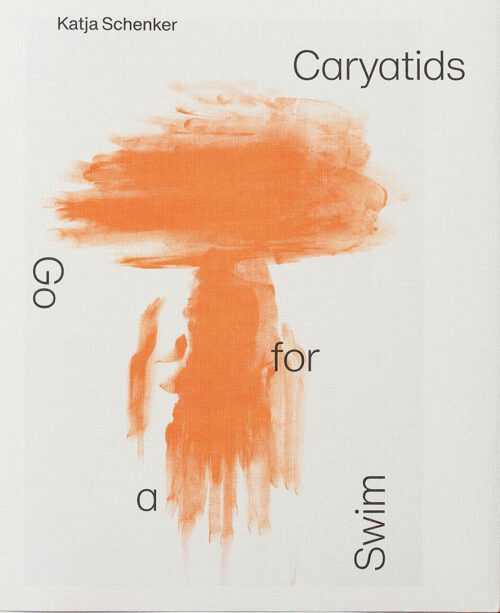
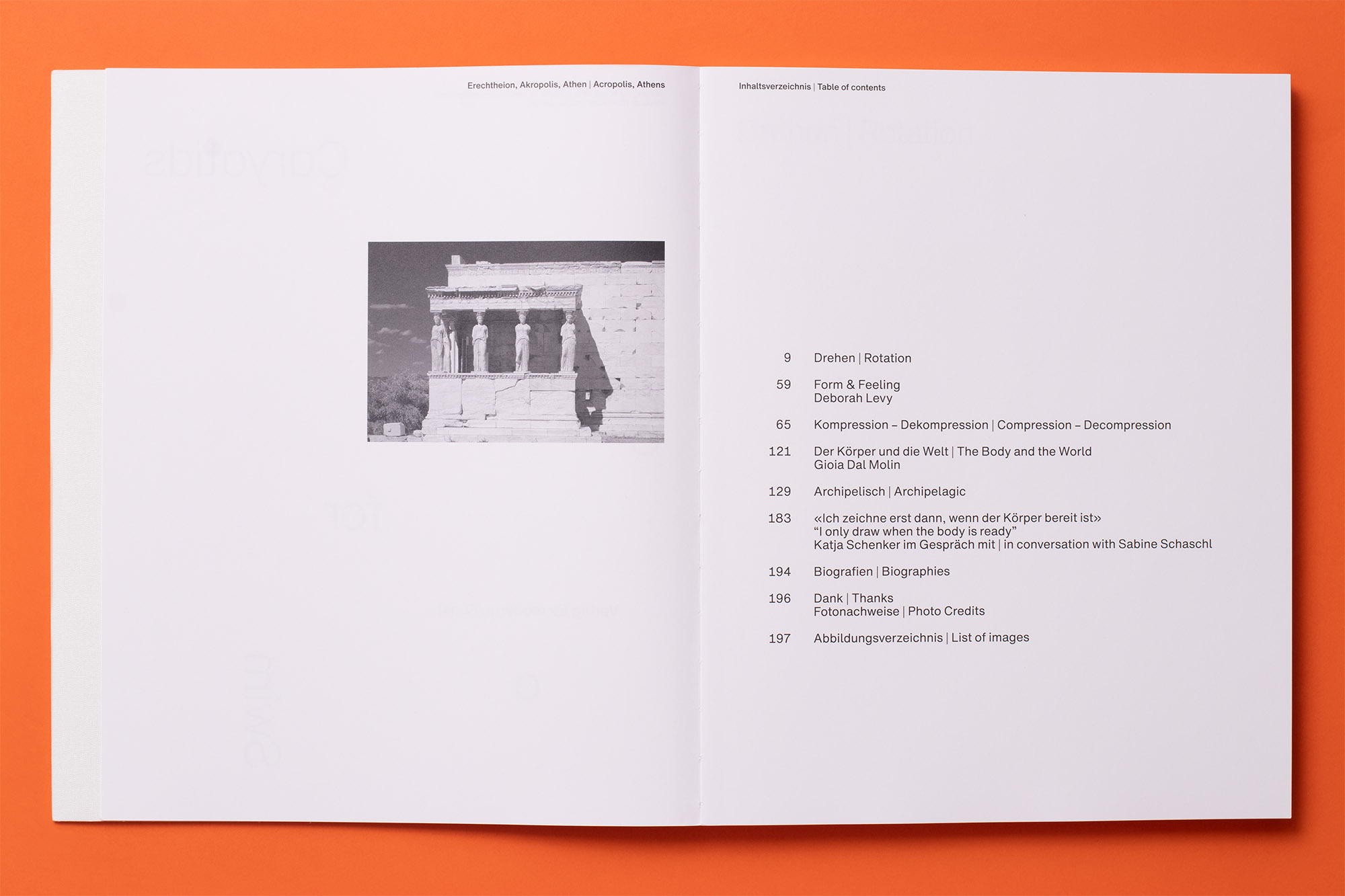
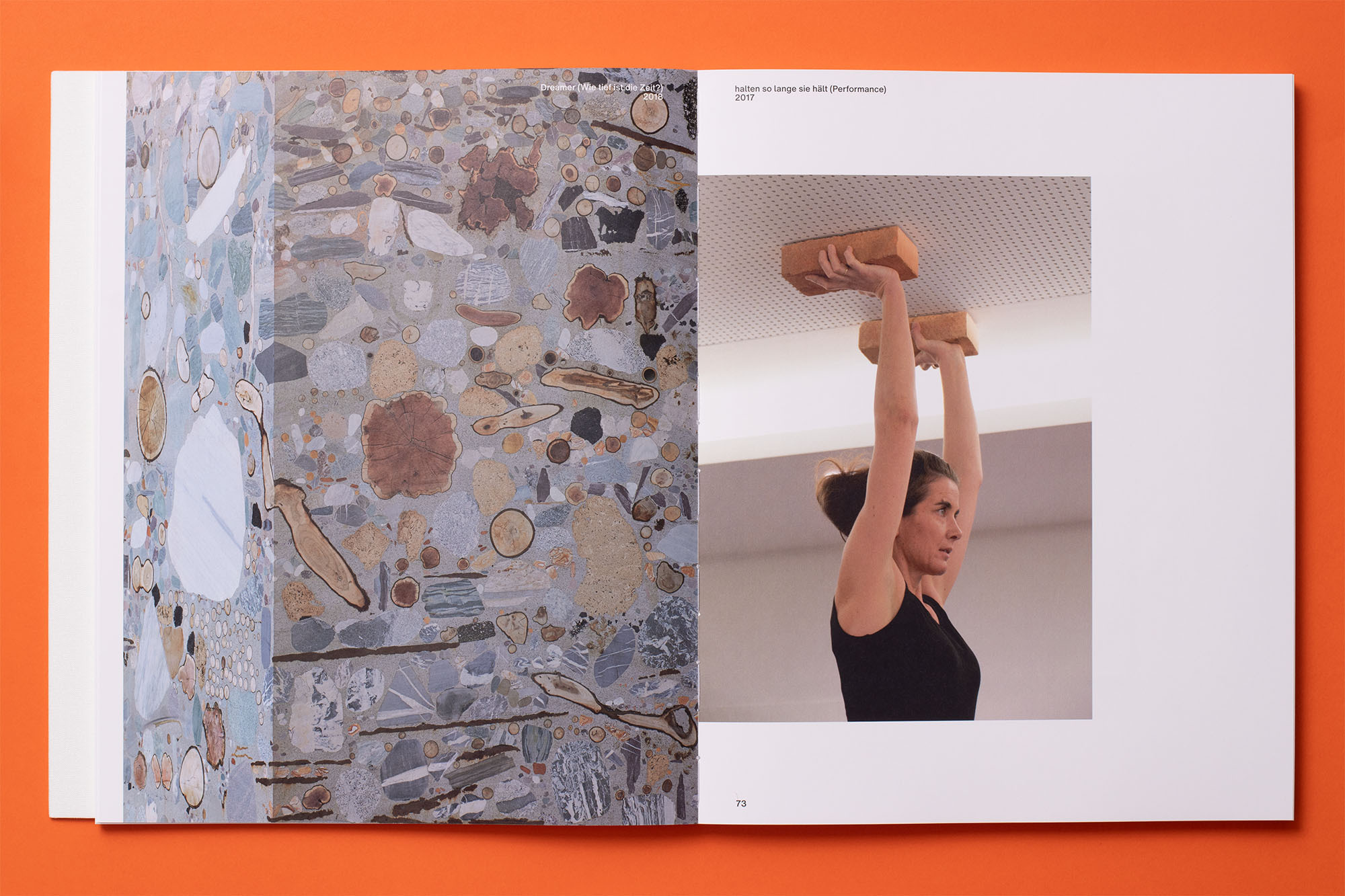
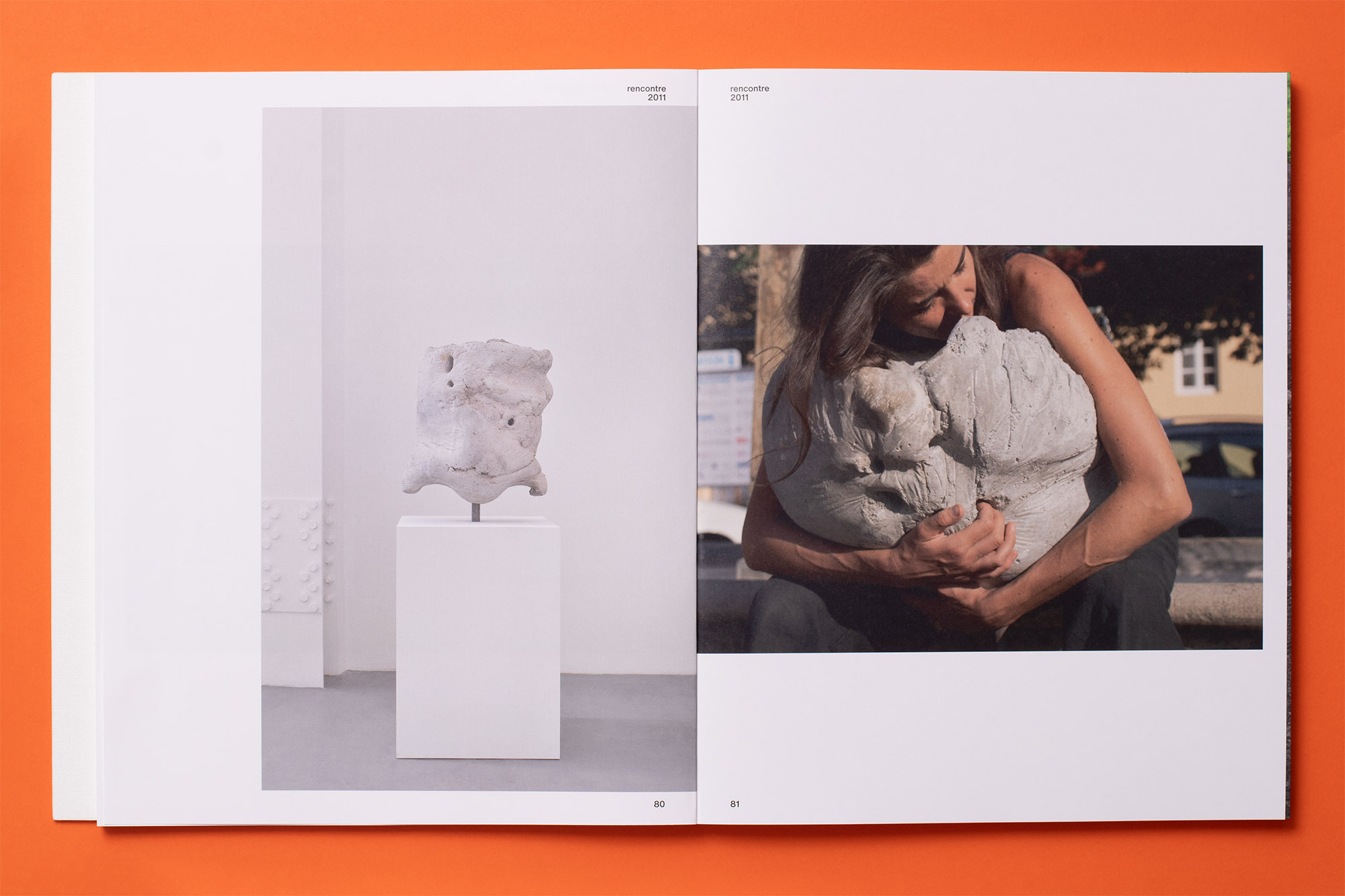
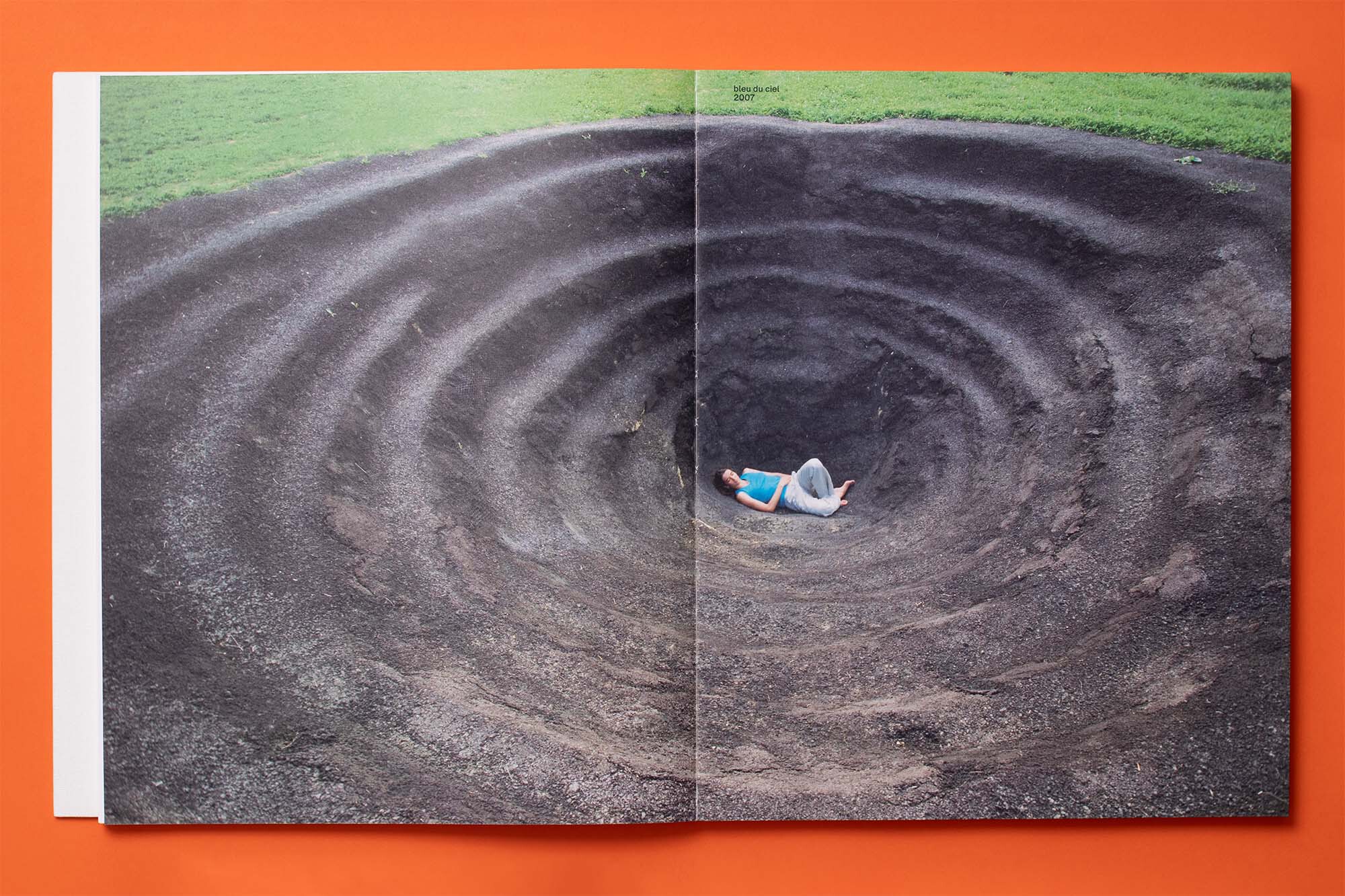
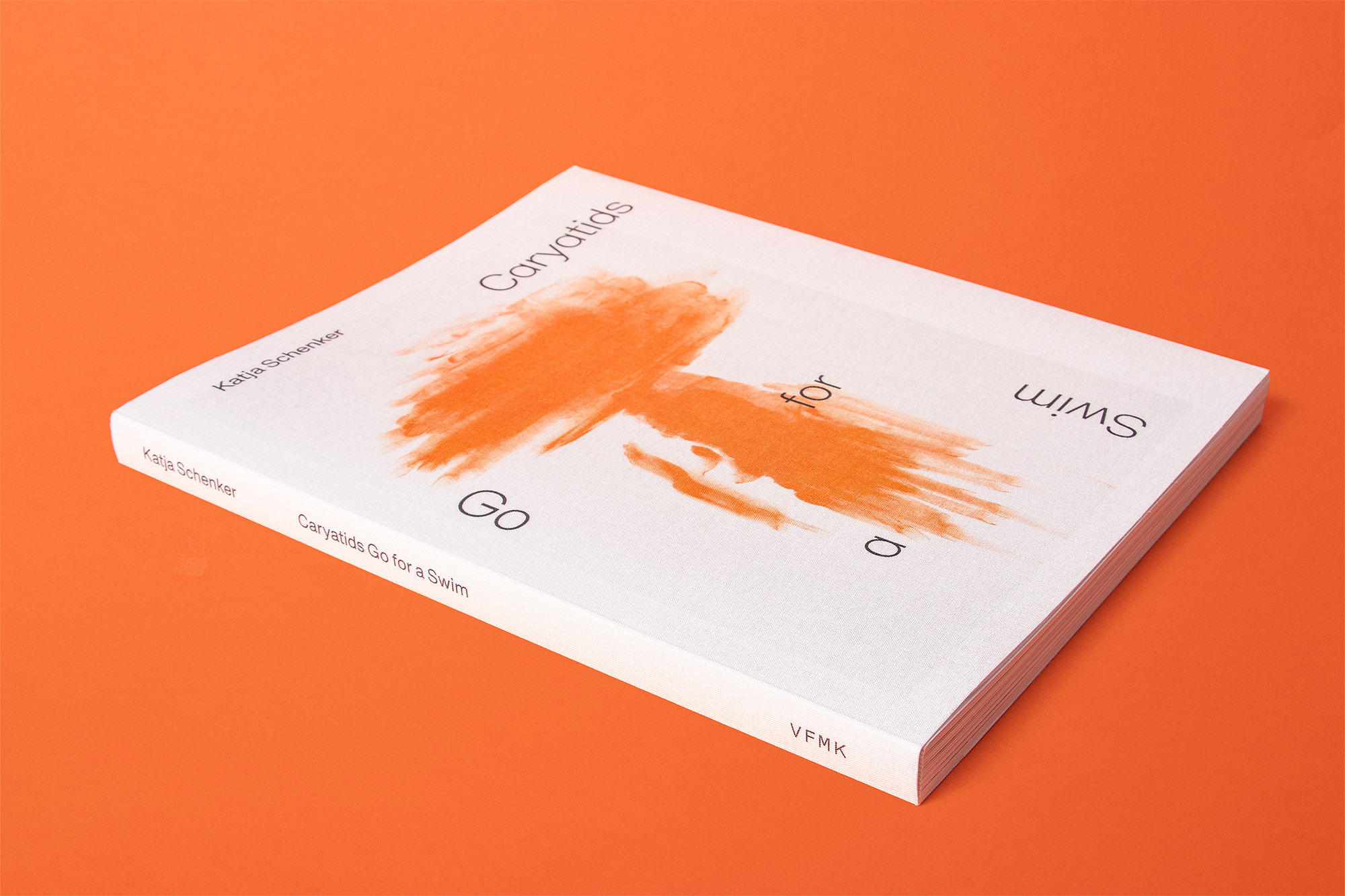
That's what happens to the six caryatids of the Acropolis in Katja Schenker's new book: their whole job, standing motionless so a temple stays up, dissolves the moment they're let into the sea. Schenker has been asking what that dissolving looks like since 2004, working out the answer in concrete that cracks, fabric she tears with her own hands, a body she runs to exhaustion rather than a mouse she clicks. It's a strangely well-timed question for a moment when most of us do our holding-still in front of a screen, not on a pedestal — carrying the weight of staying reachable, informed, online, without much say in when we get to put it down.
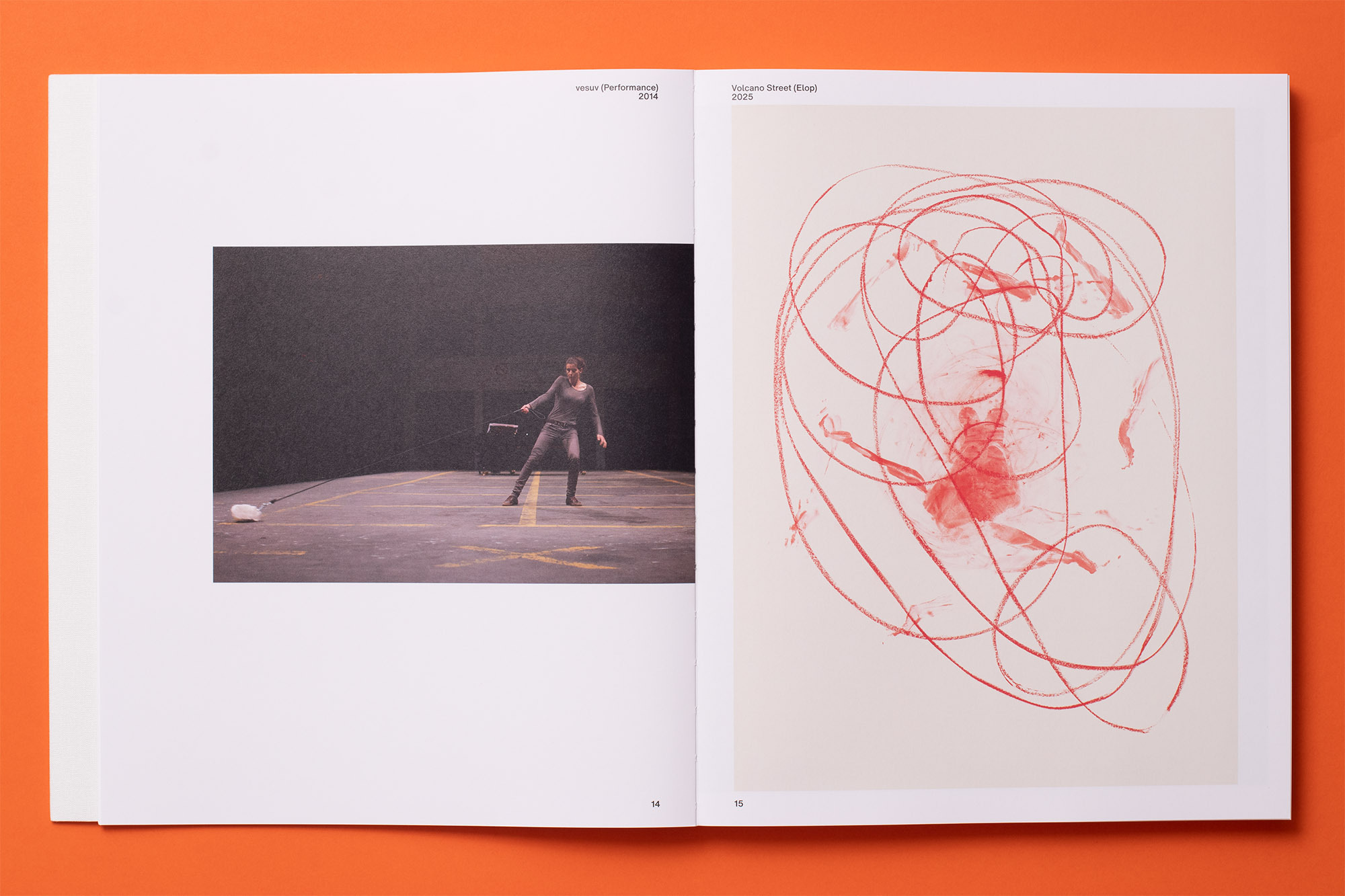
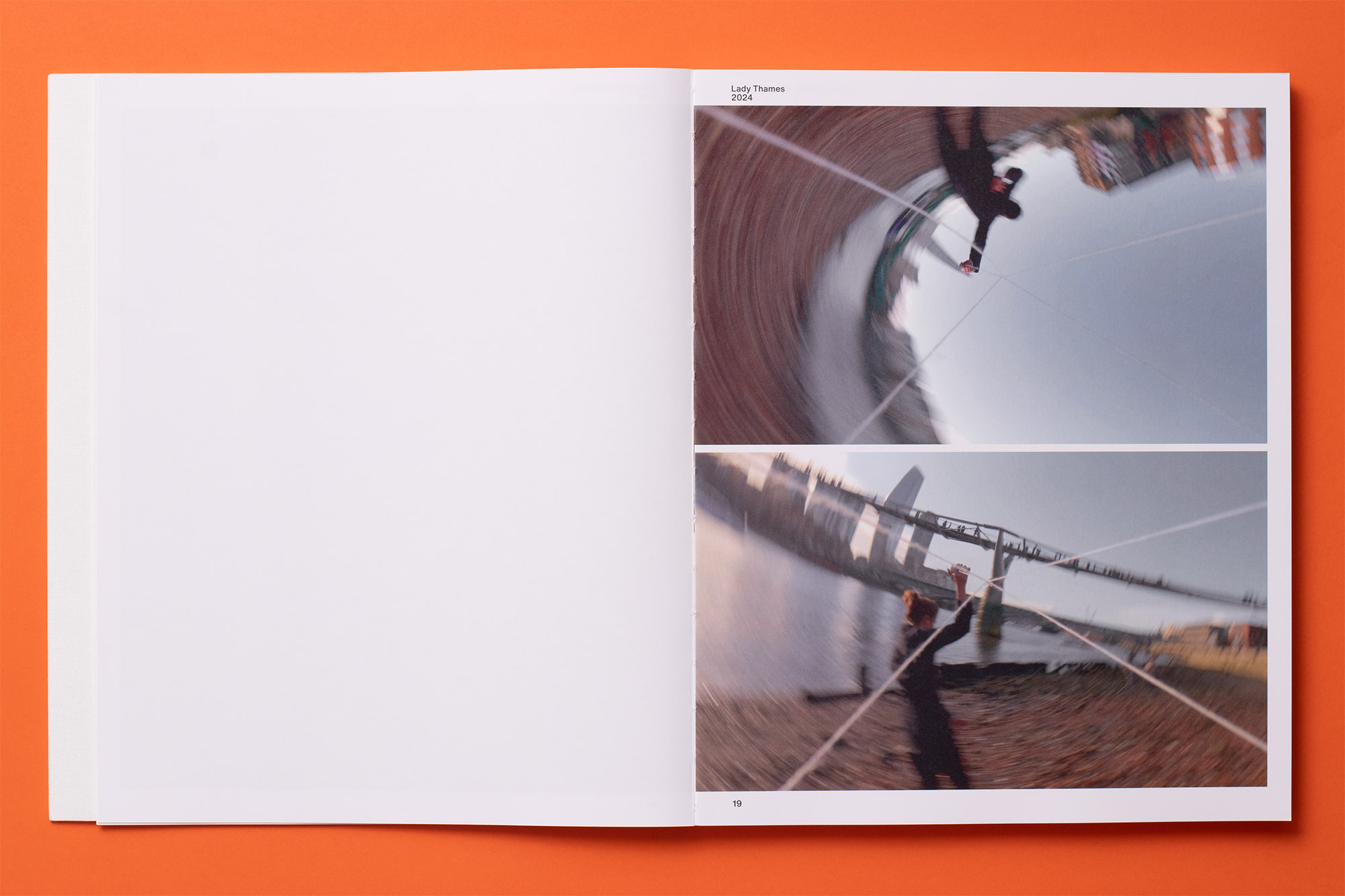
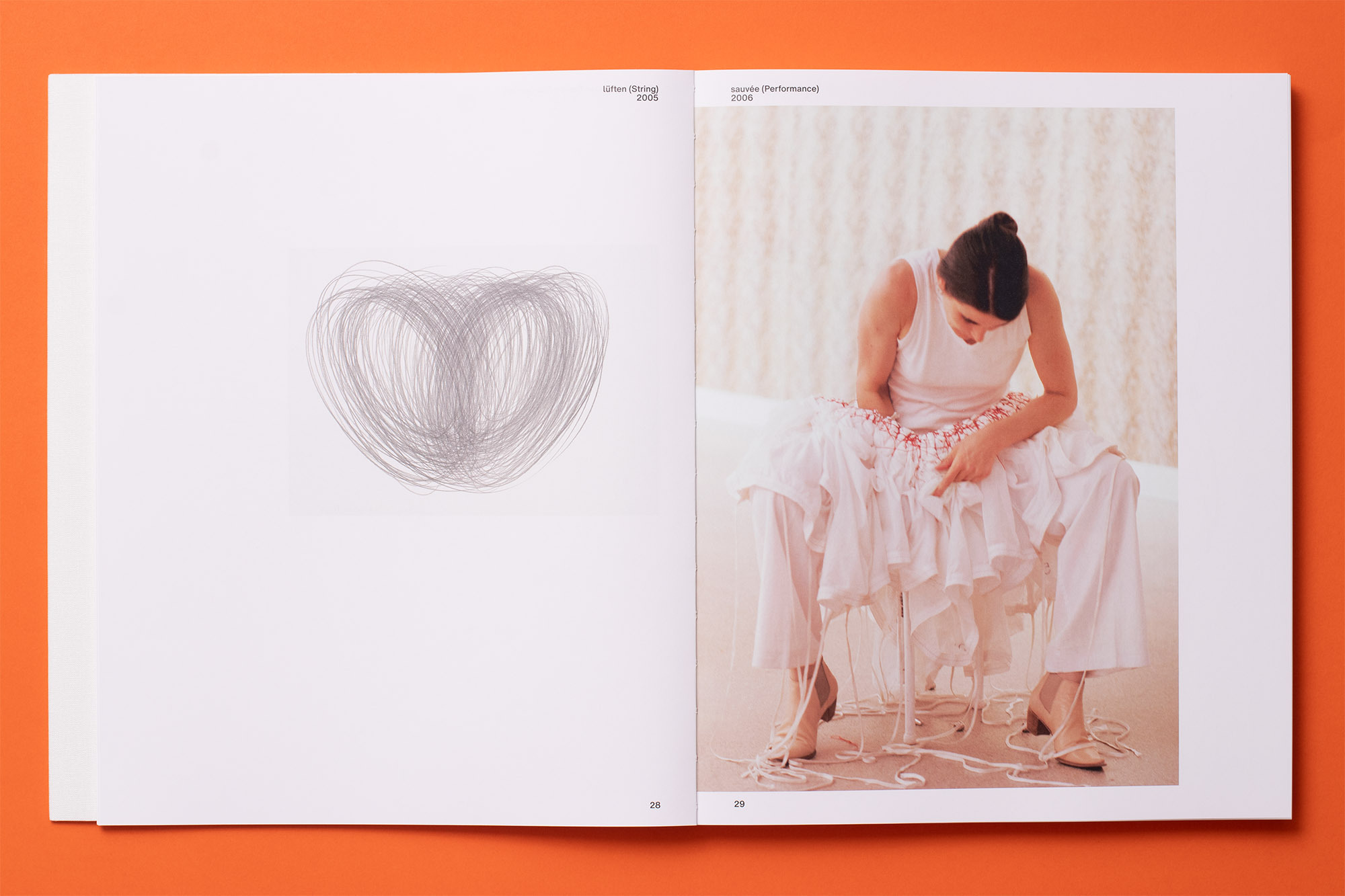
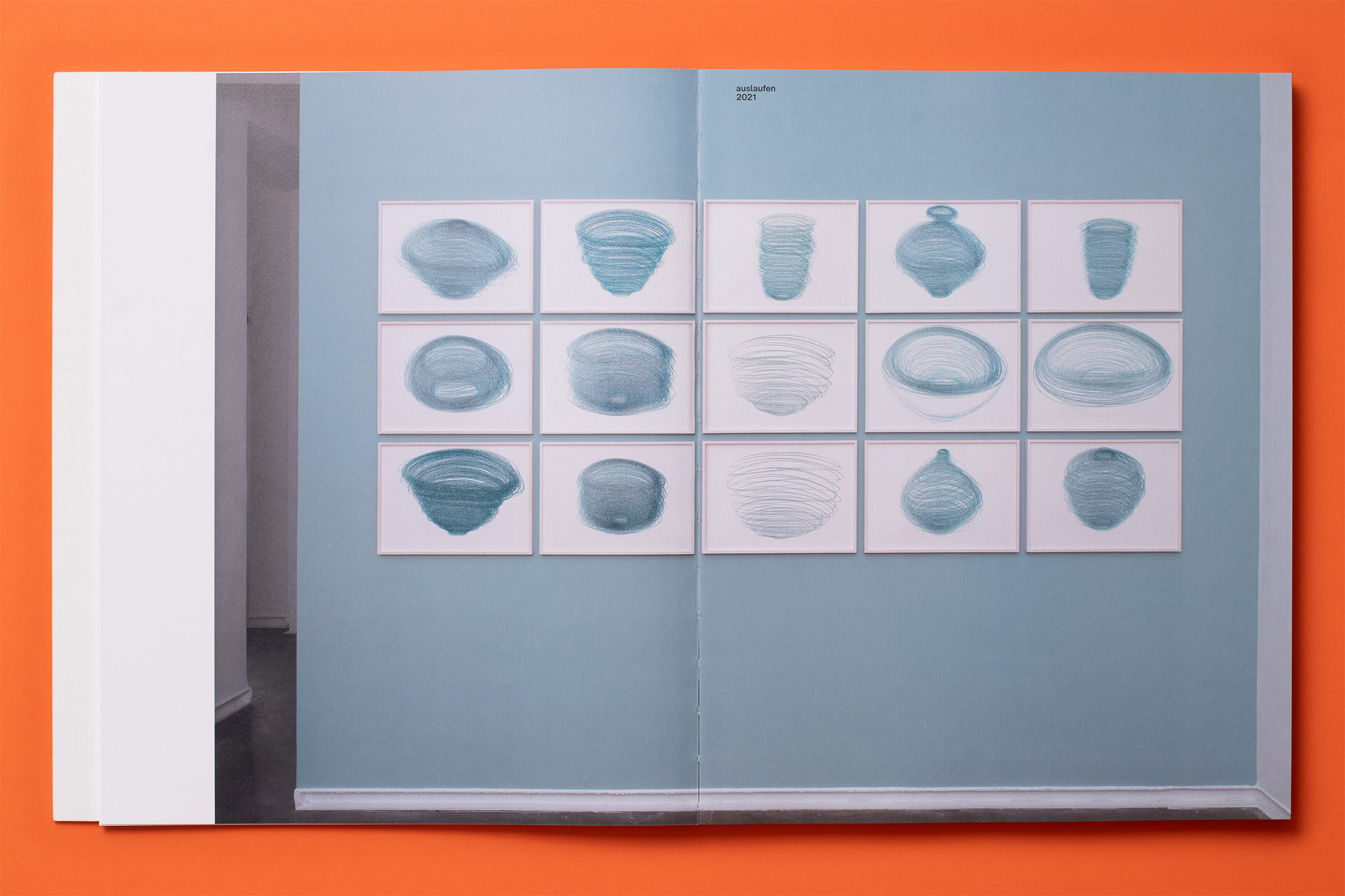
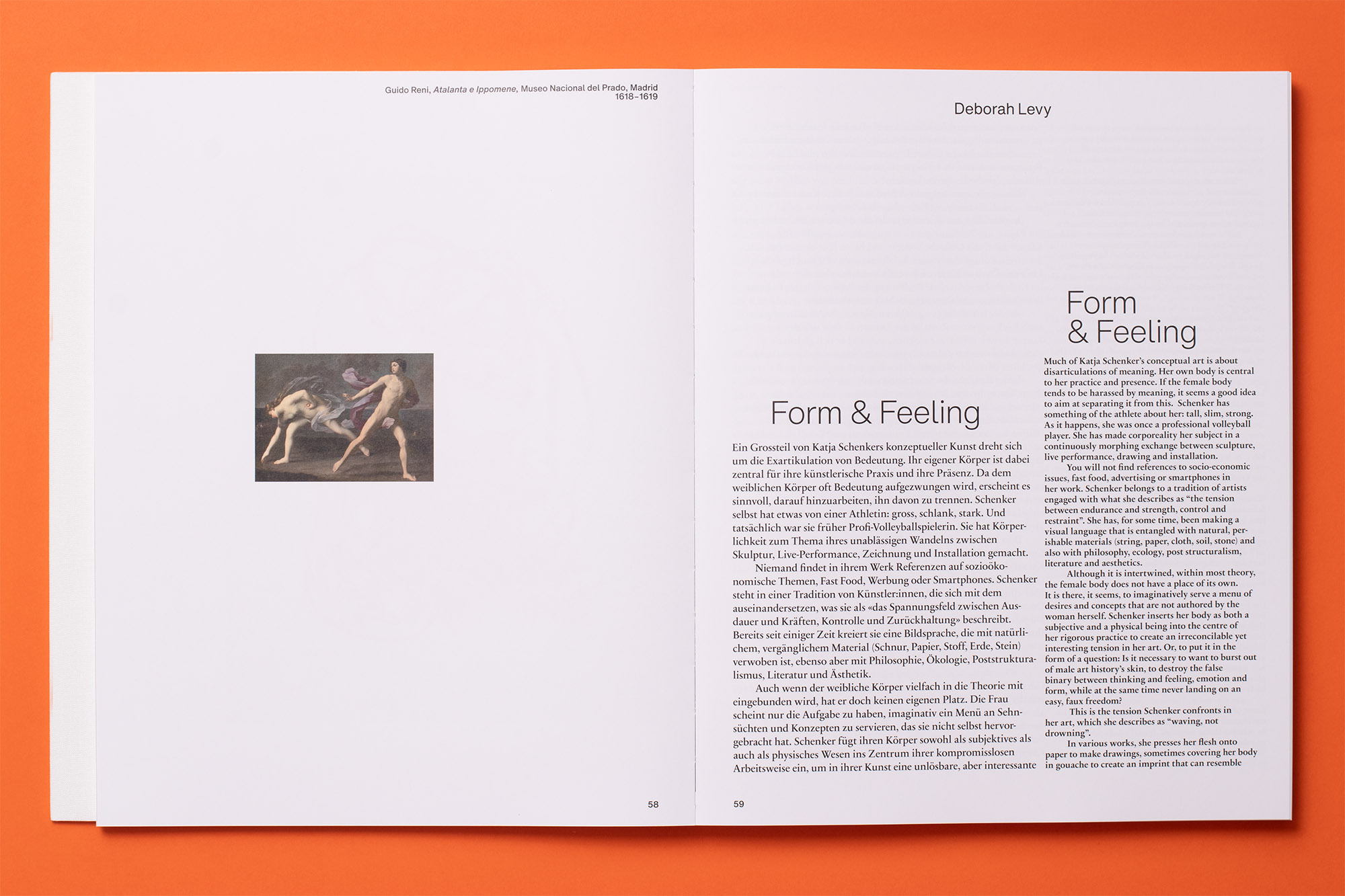
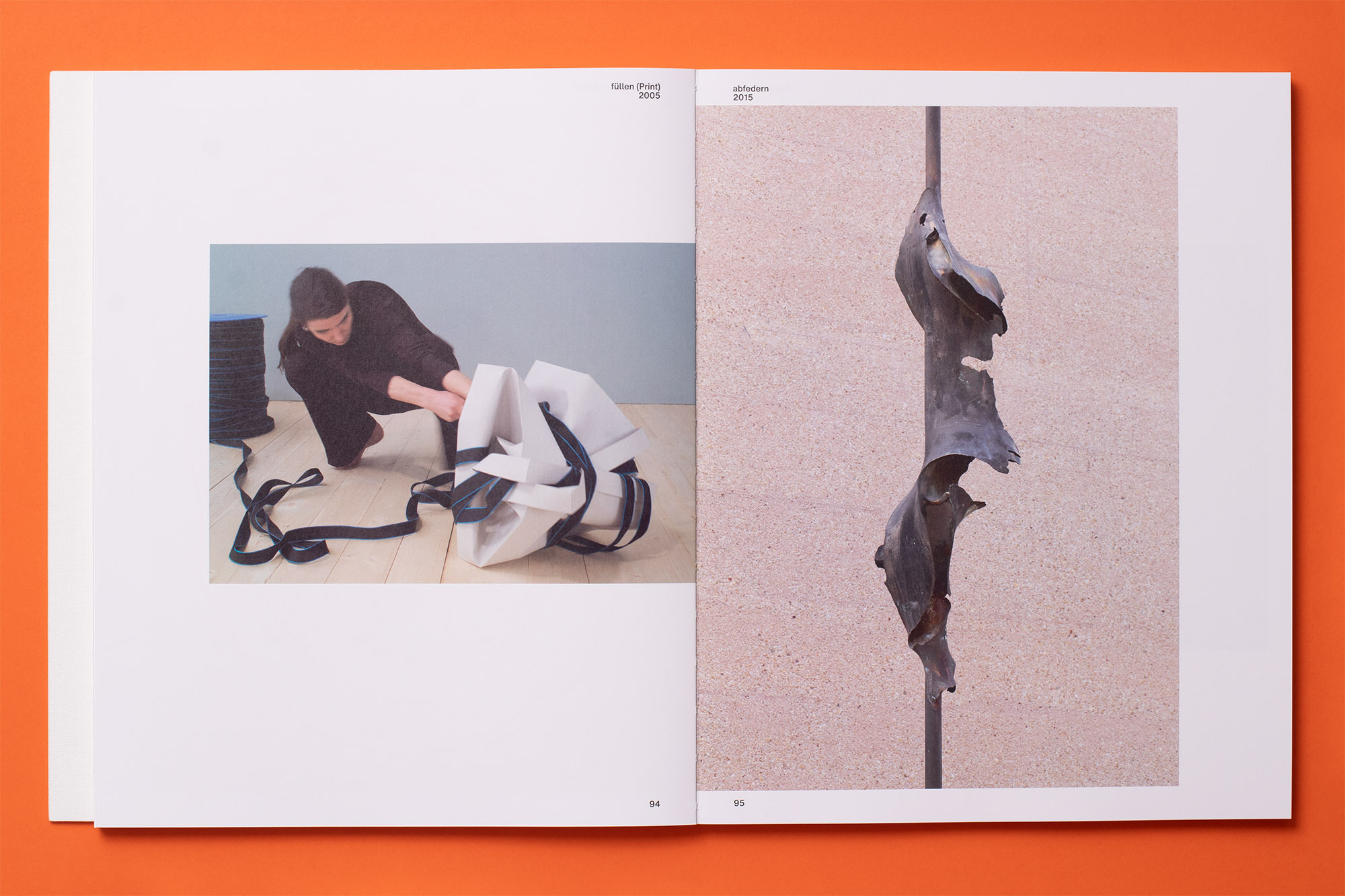
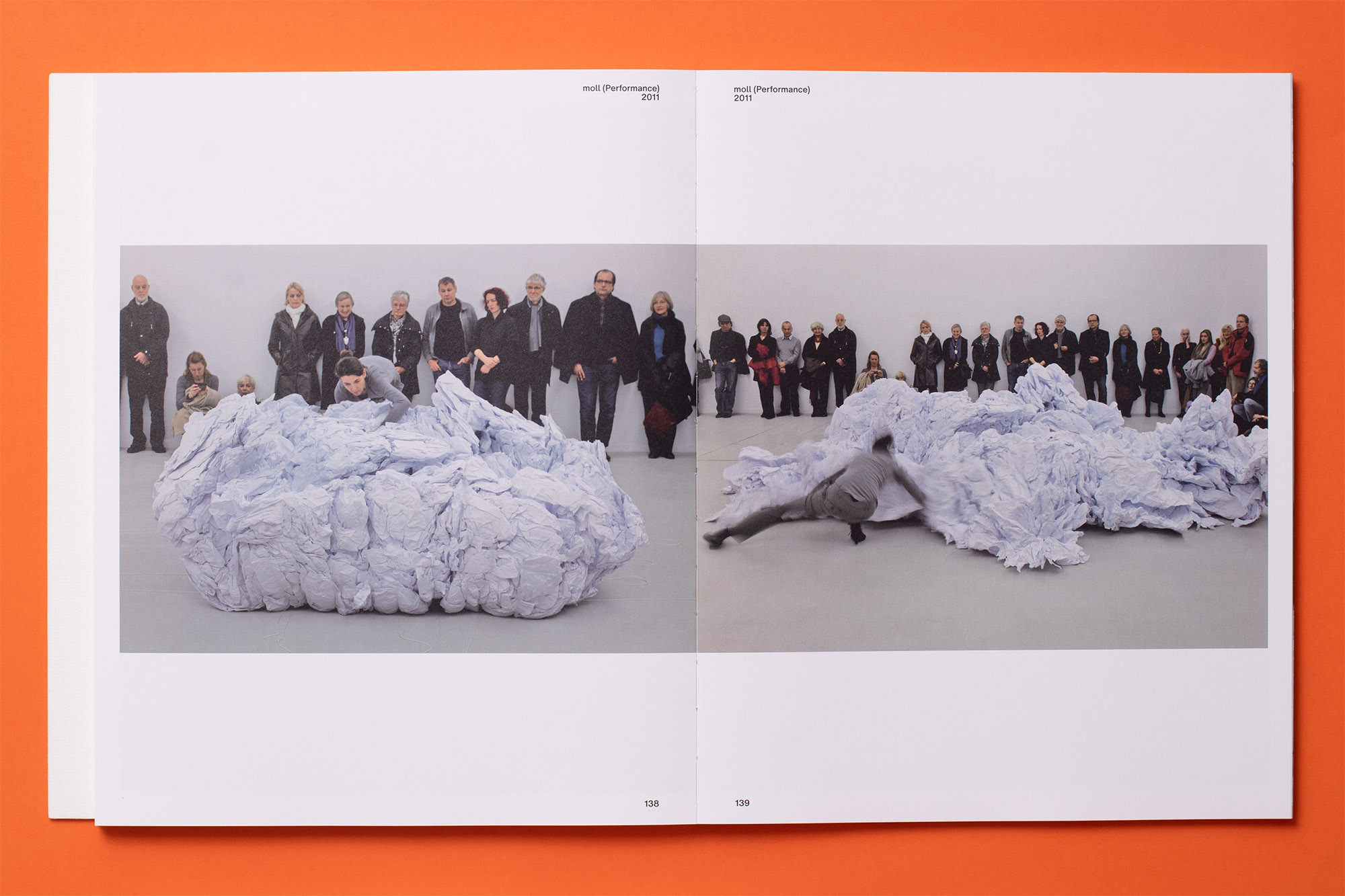
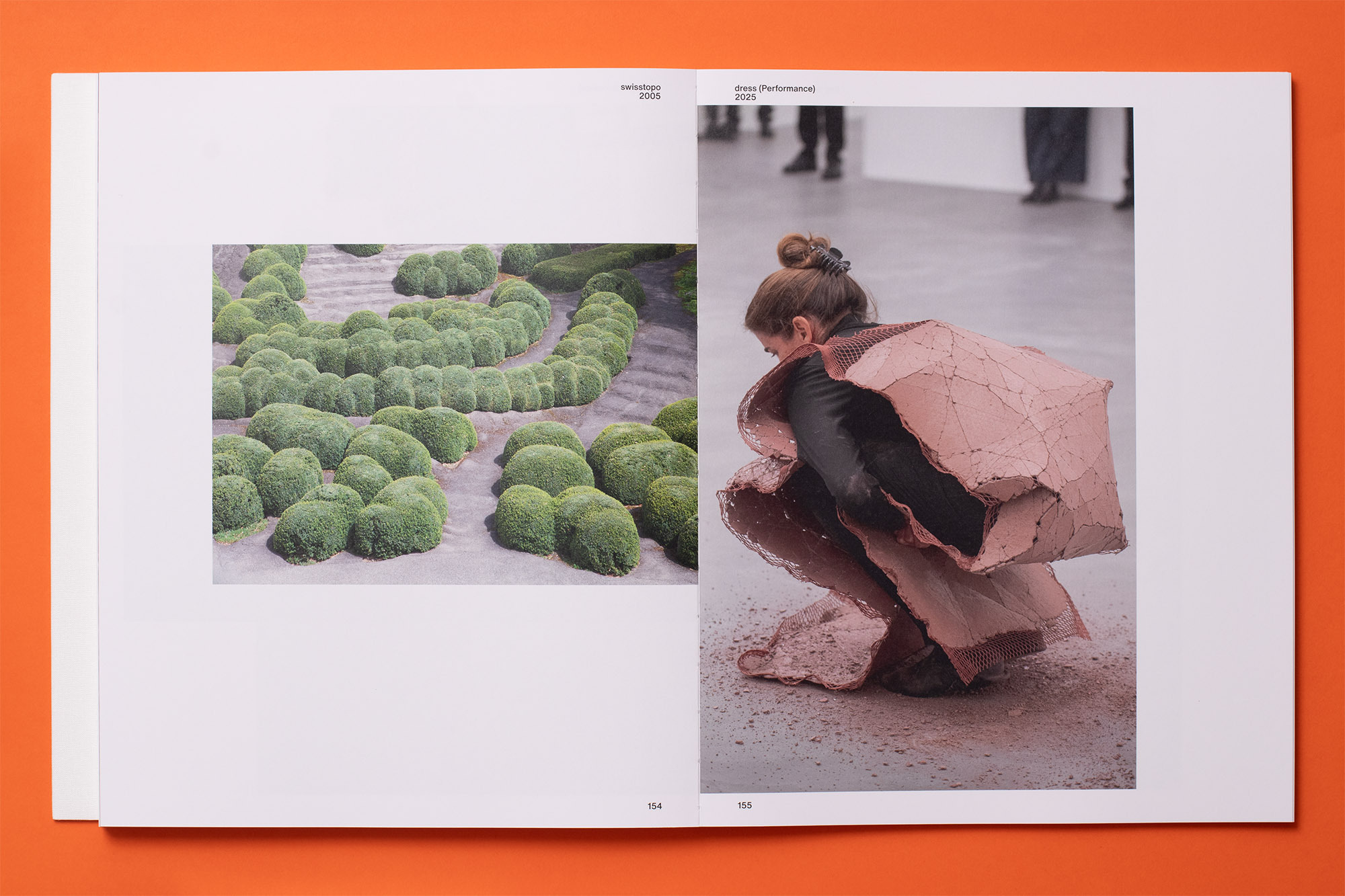
For more than two decades, Katja Schenker has created performances, drawings, sculptures, and installations that explore the relationship between architecture, material, and movement. Featuring a number of works, the publication engages directly with key themes in Schenker`s practice, including transformation, gravity, stability, and transience.
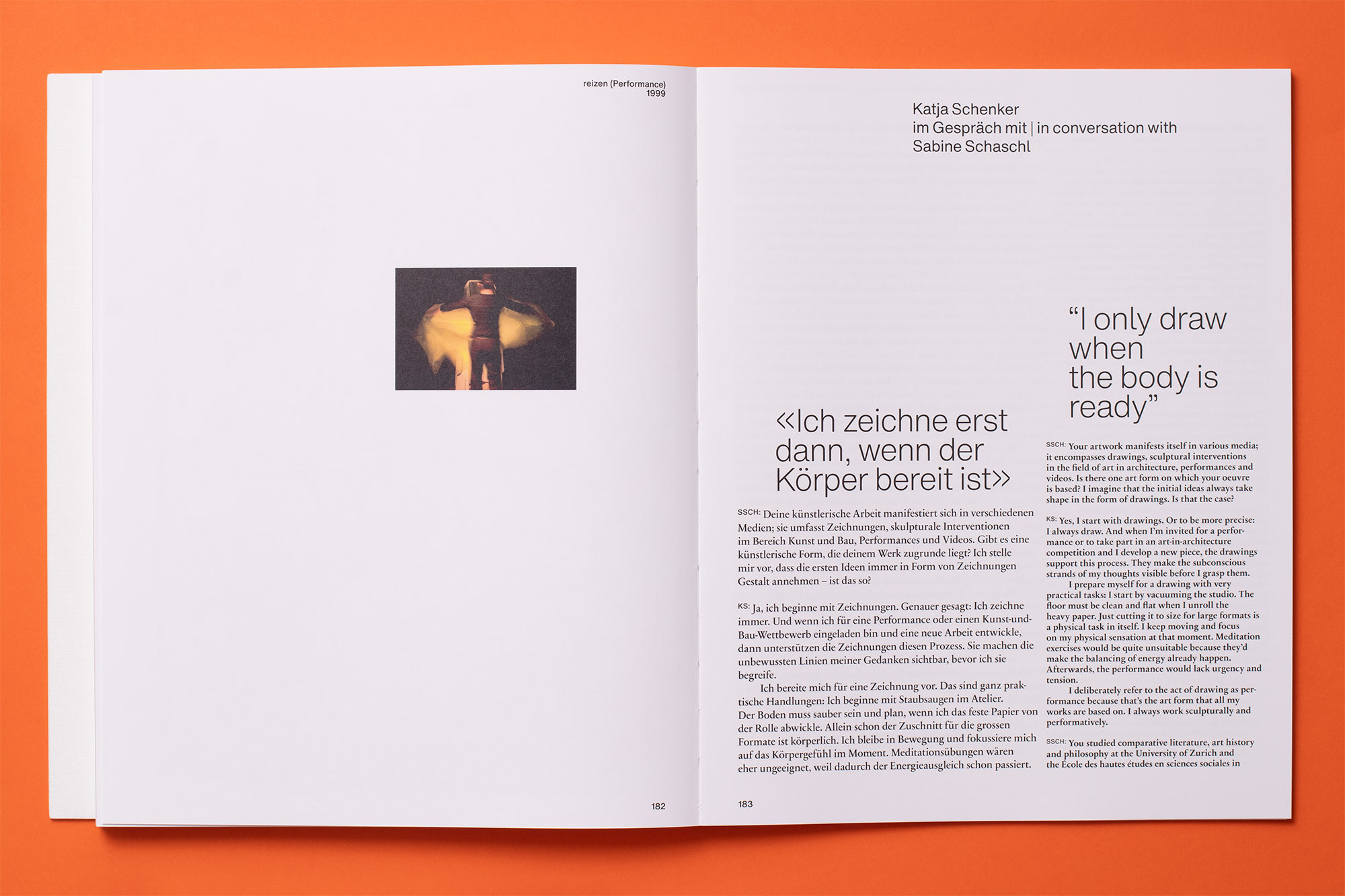
"Caryatids Go for a Swim" accompanies Schenker's solo exhibition at Museum Haus Konstruktiv's new premises in Zurich. Three chapters, two essays, and a long conversation with the artist about why she only draws when her body is ready.
Editor
Sabine Schaschl, Stiftung für konstruktive, konkrete und konzeptuelle Kunst, Museum Haus Konstruktiv, Zürich
Texts
Deborah Levy, Gloria Dal Molin
Interview
Sabine Schaschl with Katja Schenker
Design
Emanuel Tschumi
Language
German, English
Details
Softcover, 30 x 24 cm, 206 pages, 104, 211 ills. in color
Publication date
08/2026
ISBN
978-3-99153-267-5
GTIN
9783991532675
YOU MIGHT ALSO LIKE
HOME