


Books
 Books
Books
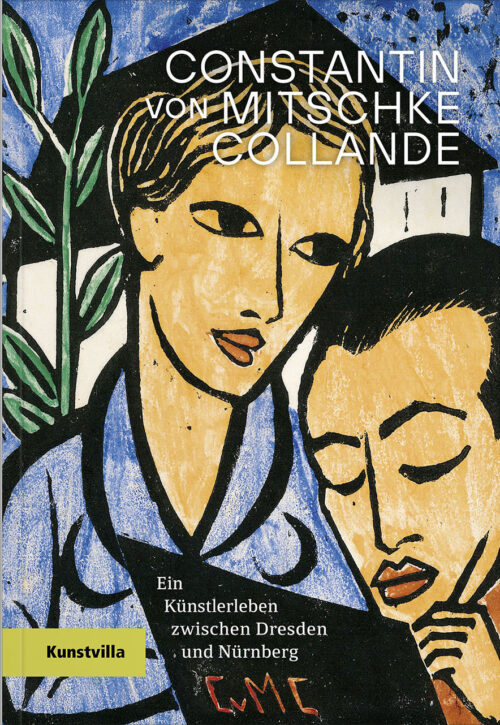
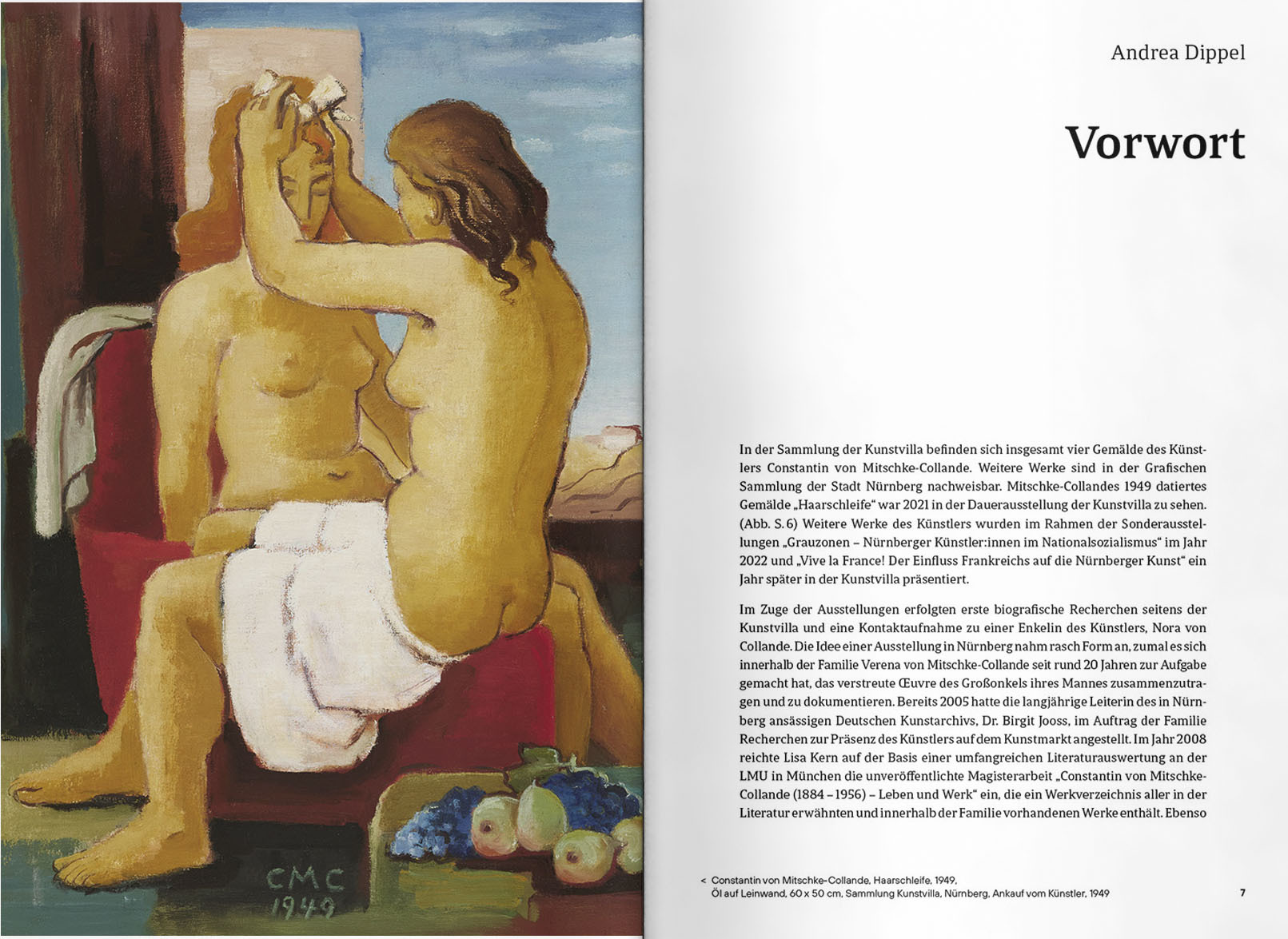
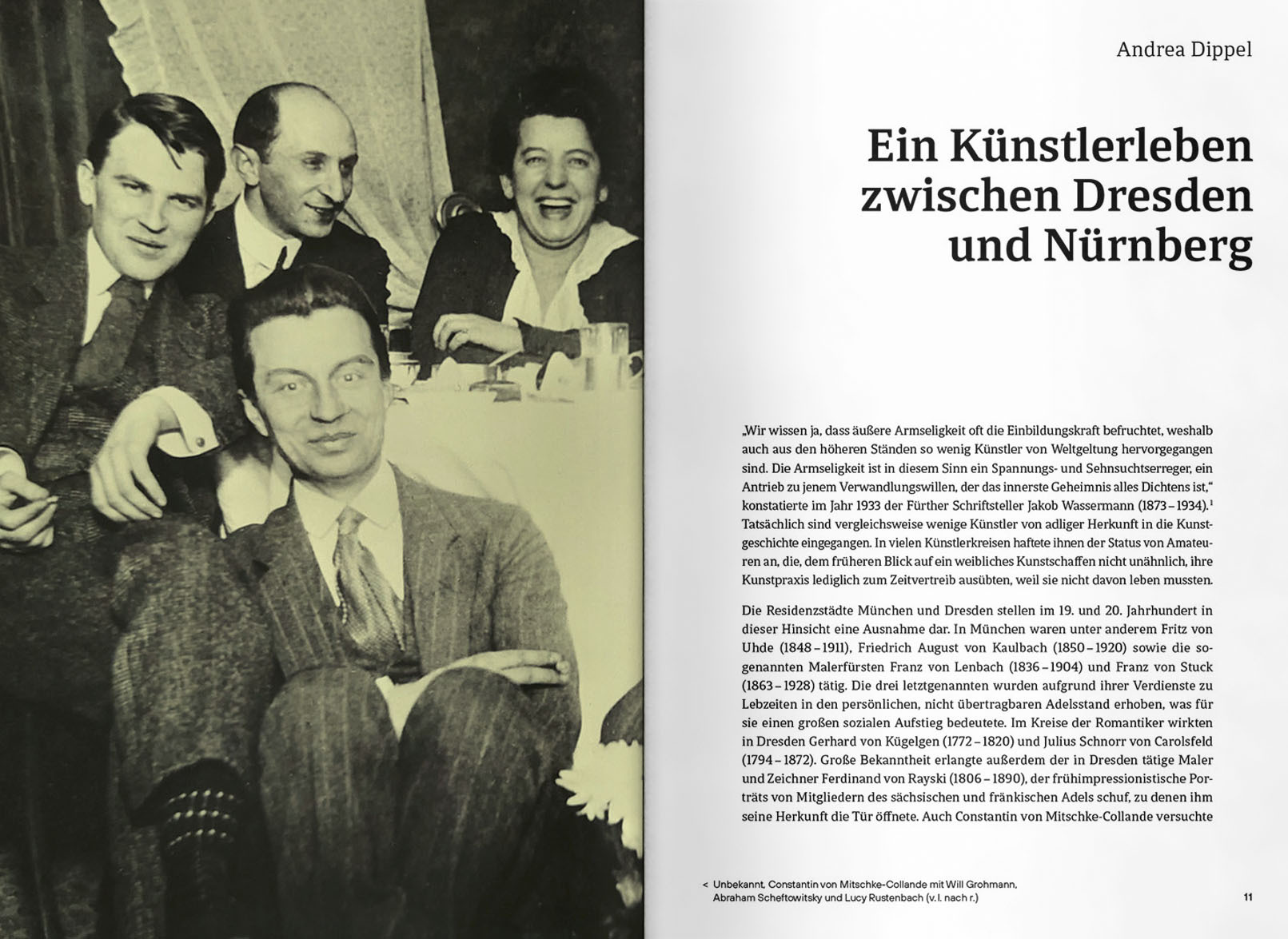
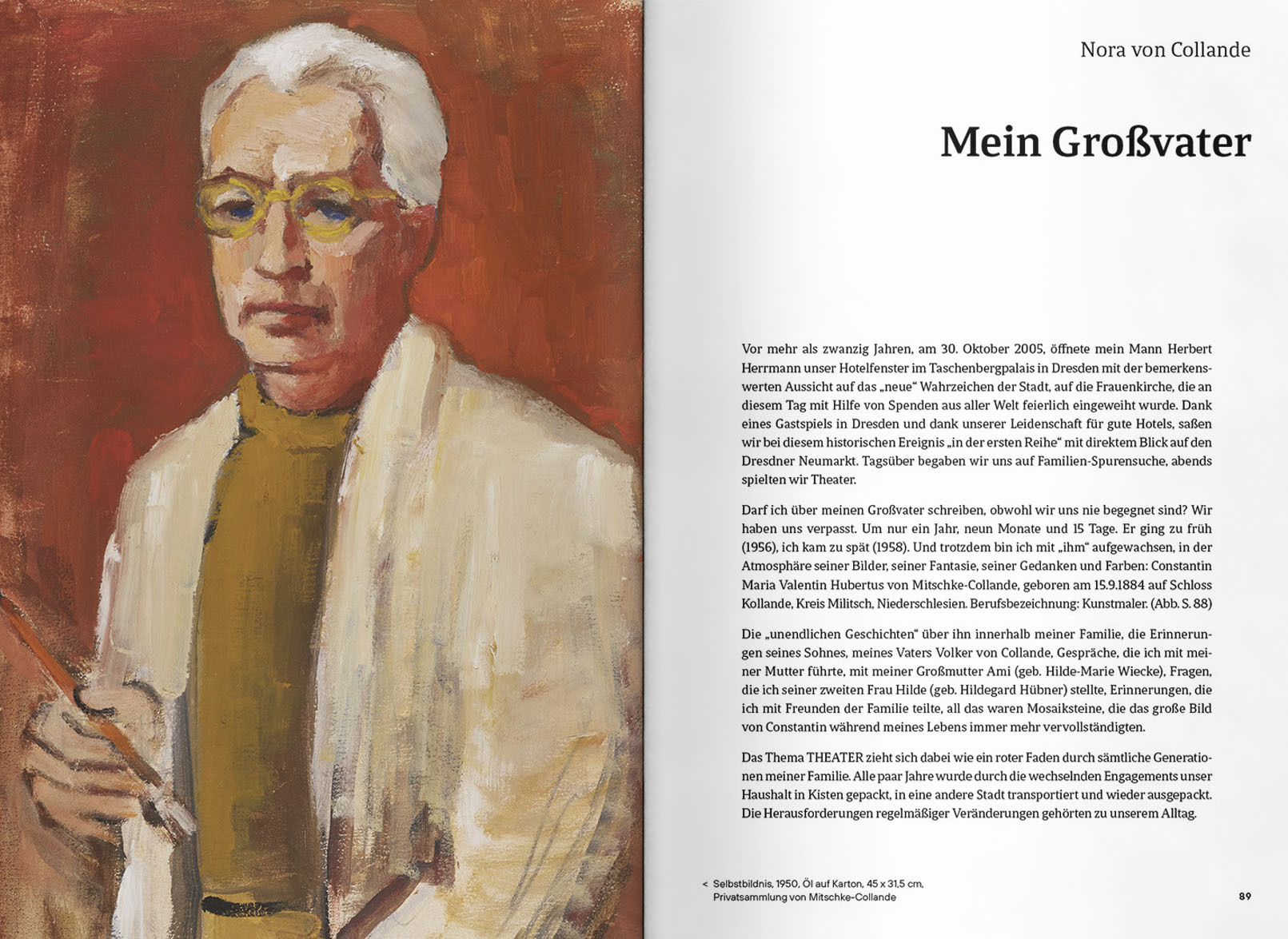
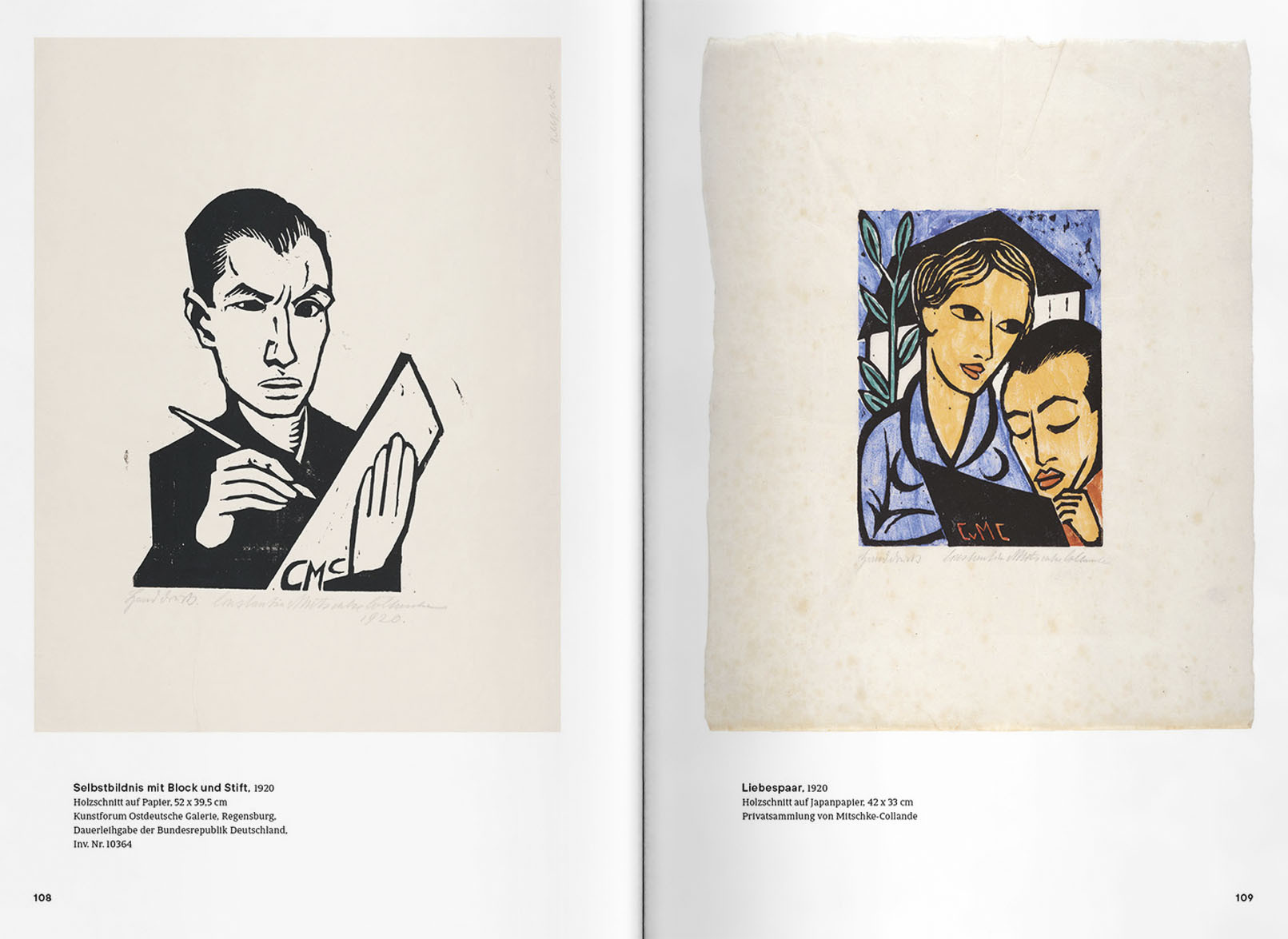
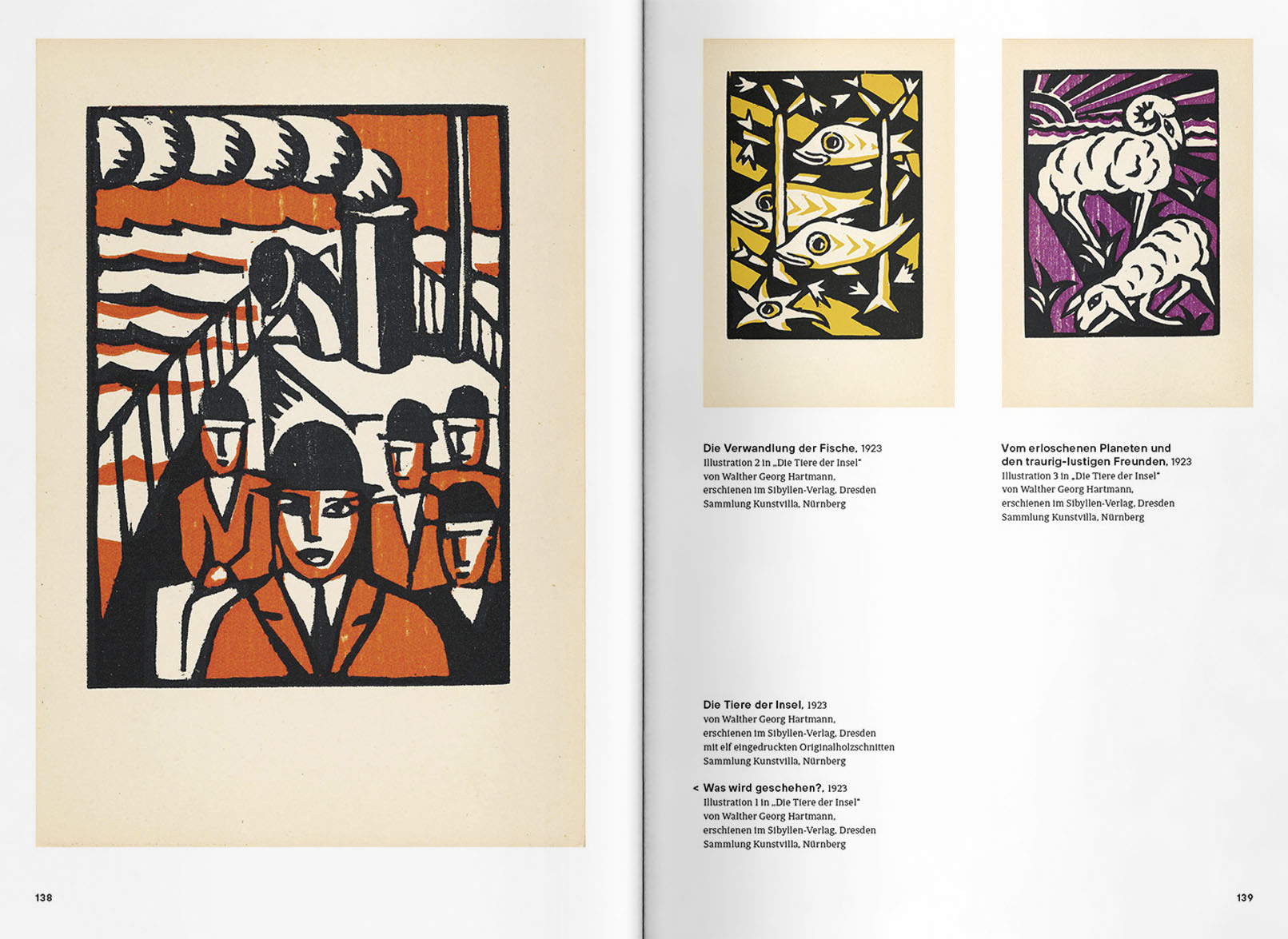
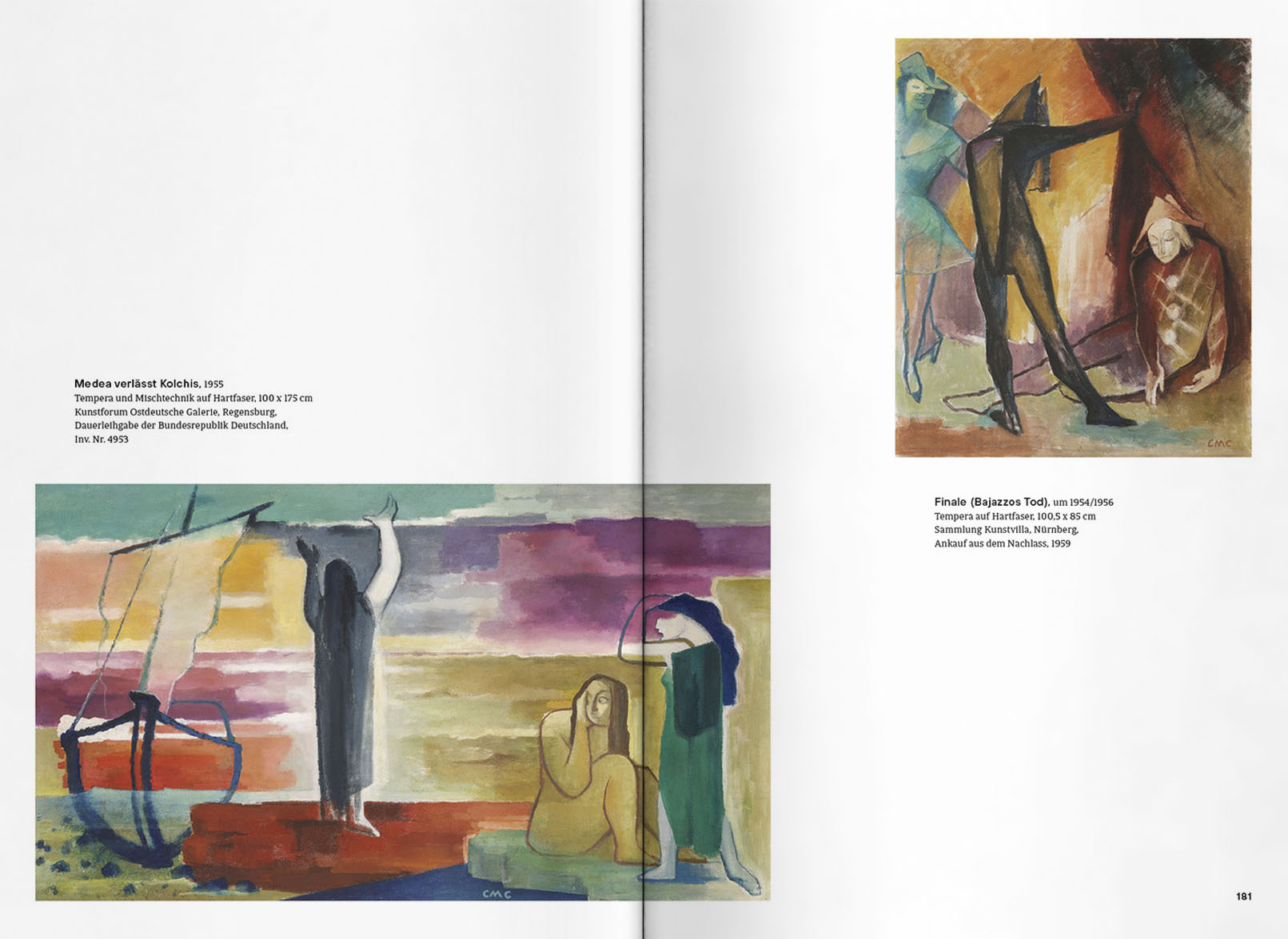
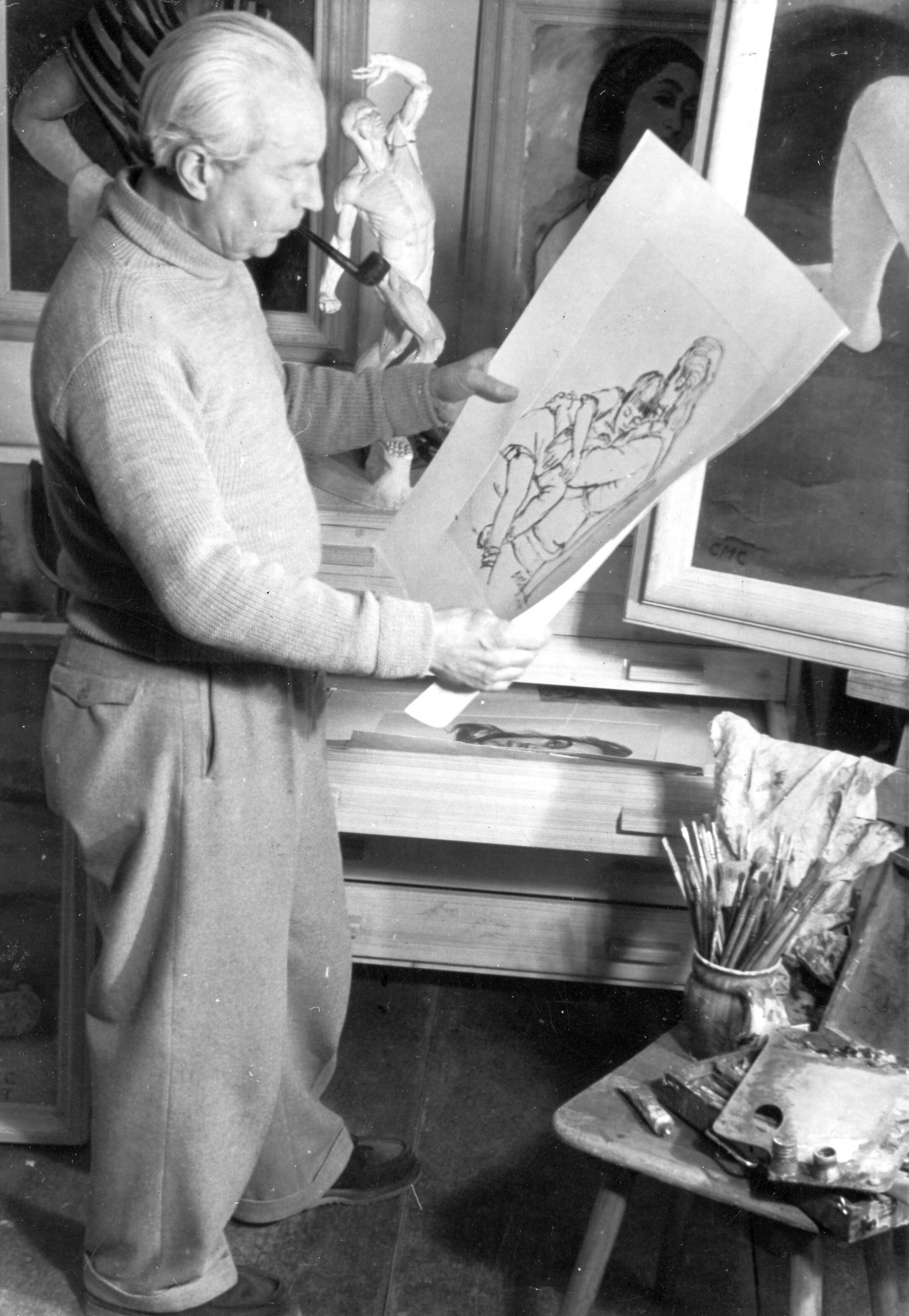
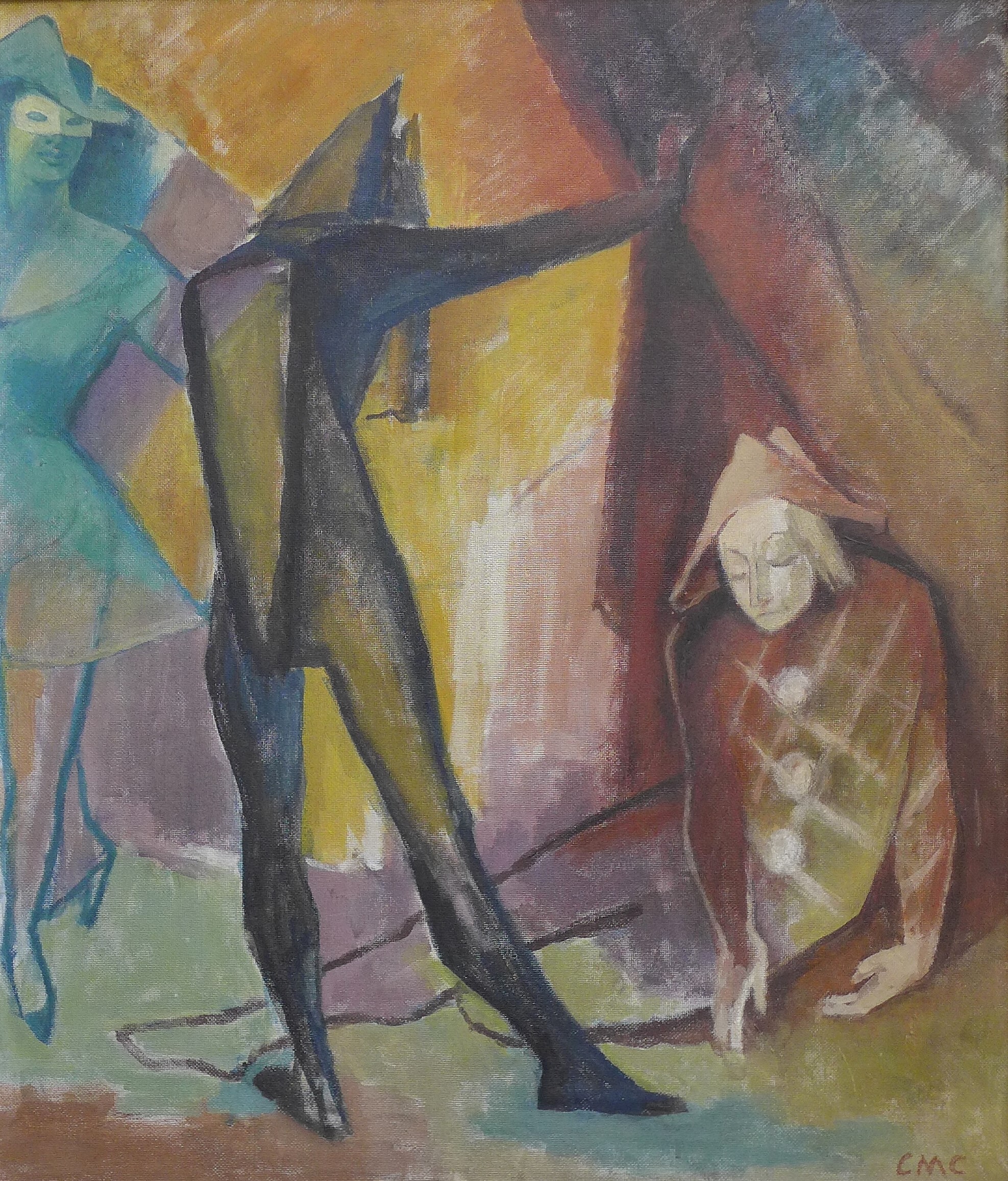
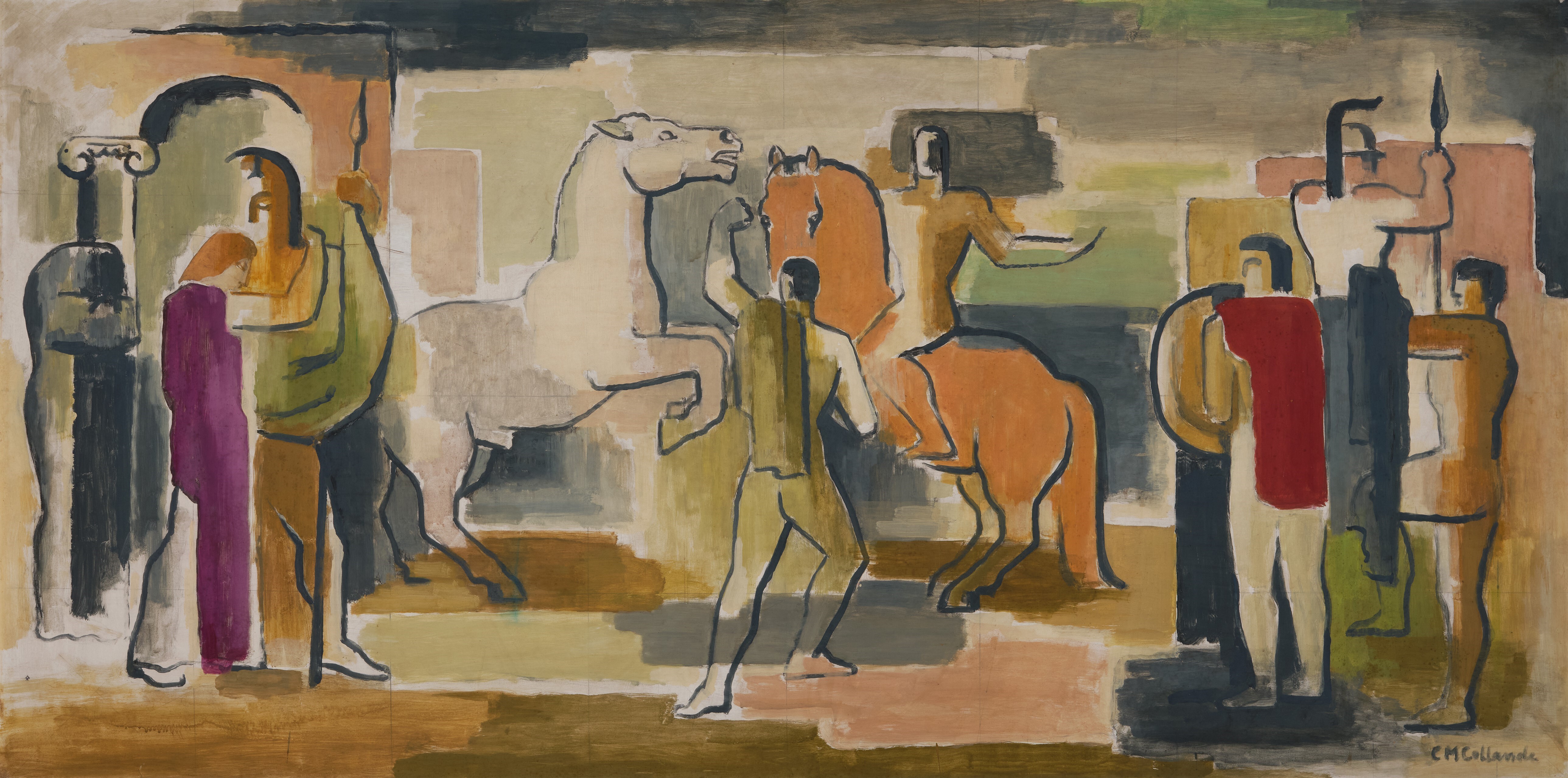
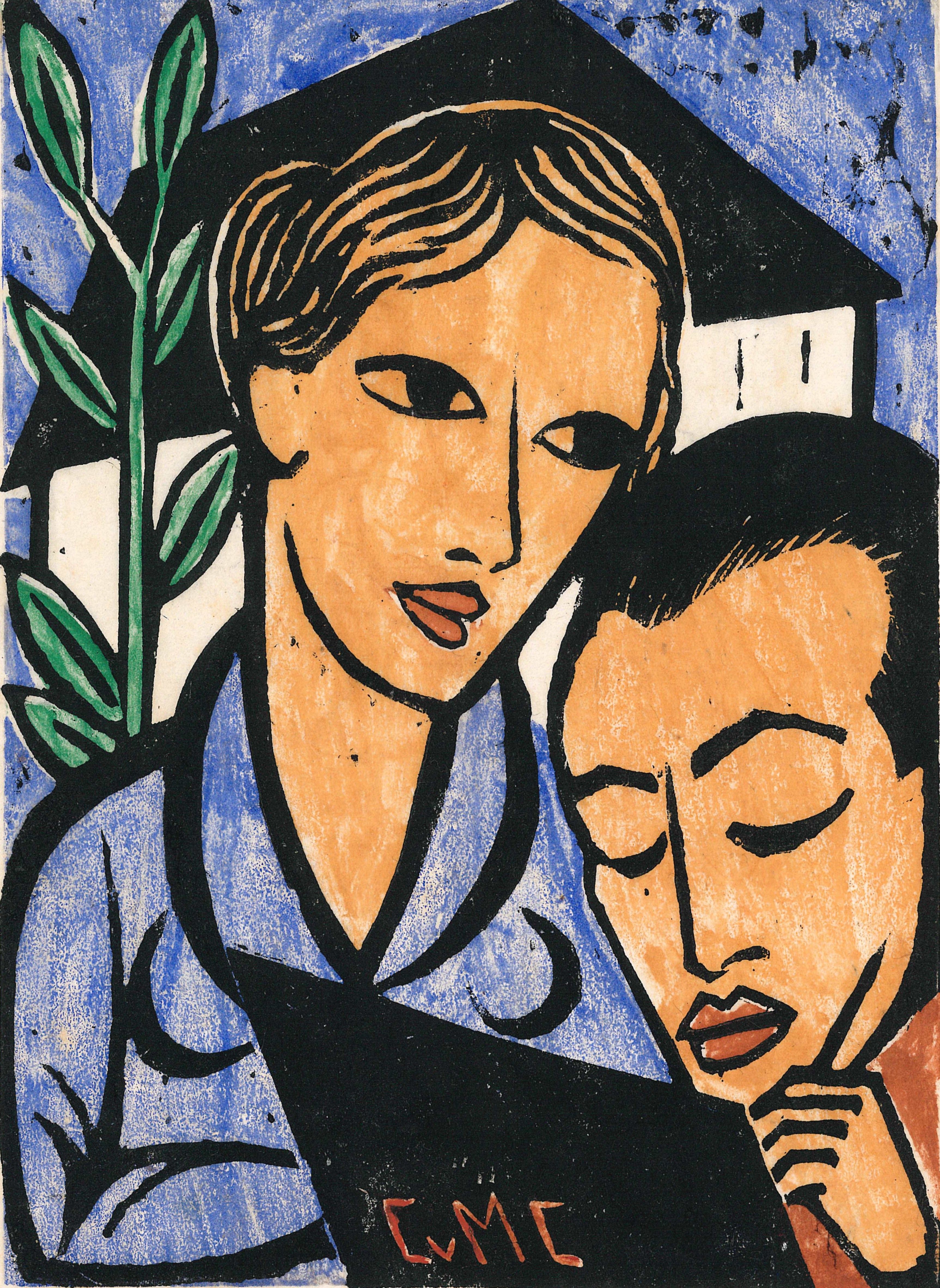
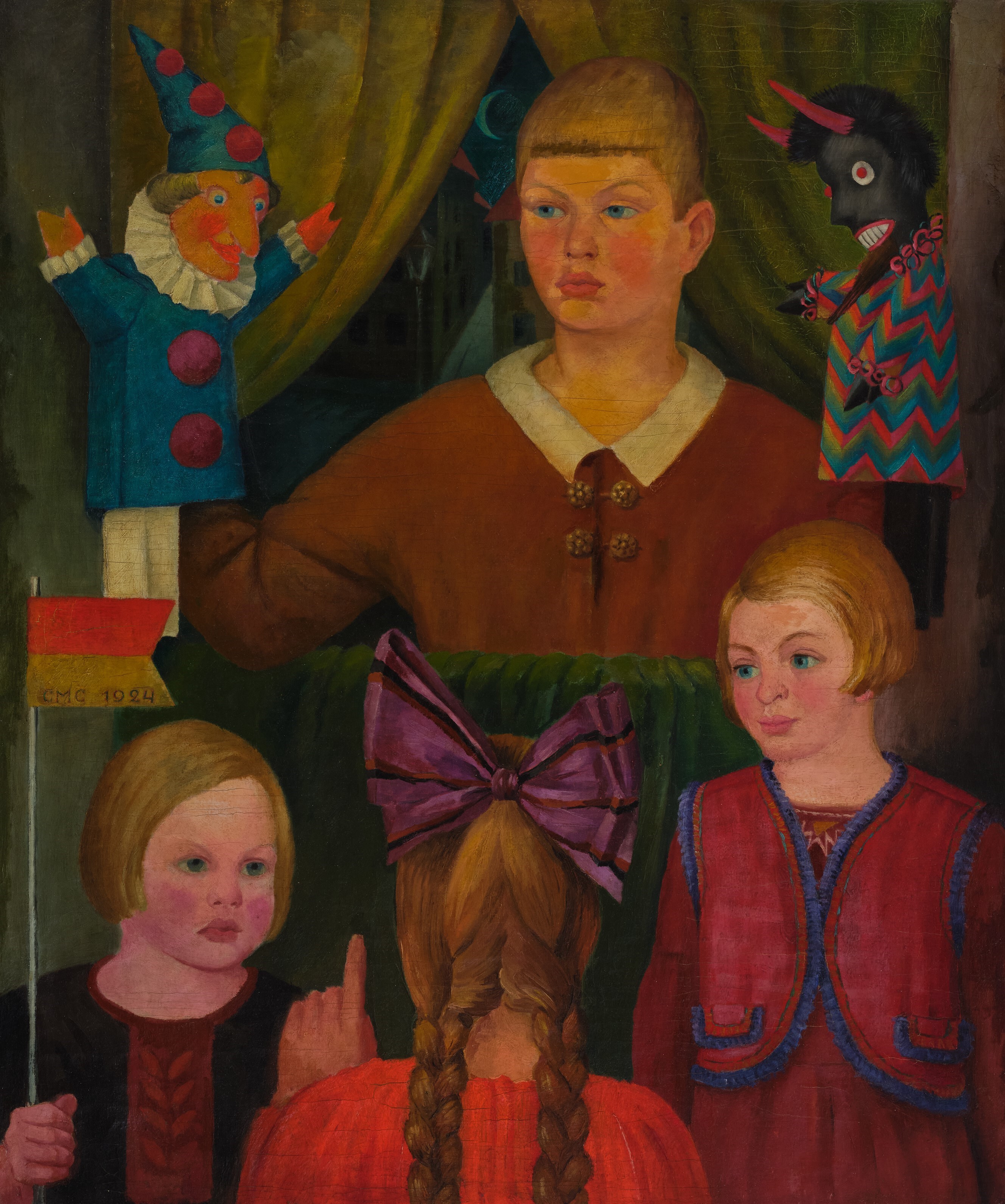

Constantin von Mitschke-Collande (1884–1956) experienced the upheavals of the 20th century: service in the First World War, political activism in the Weimar Republic, defamation during the Nazi dictatorship, and the destruction of his work during the Second World War. These experiences shaped an oeuvre full of stylistic transformations.
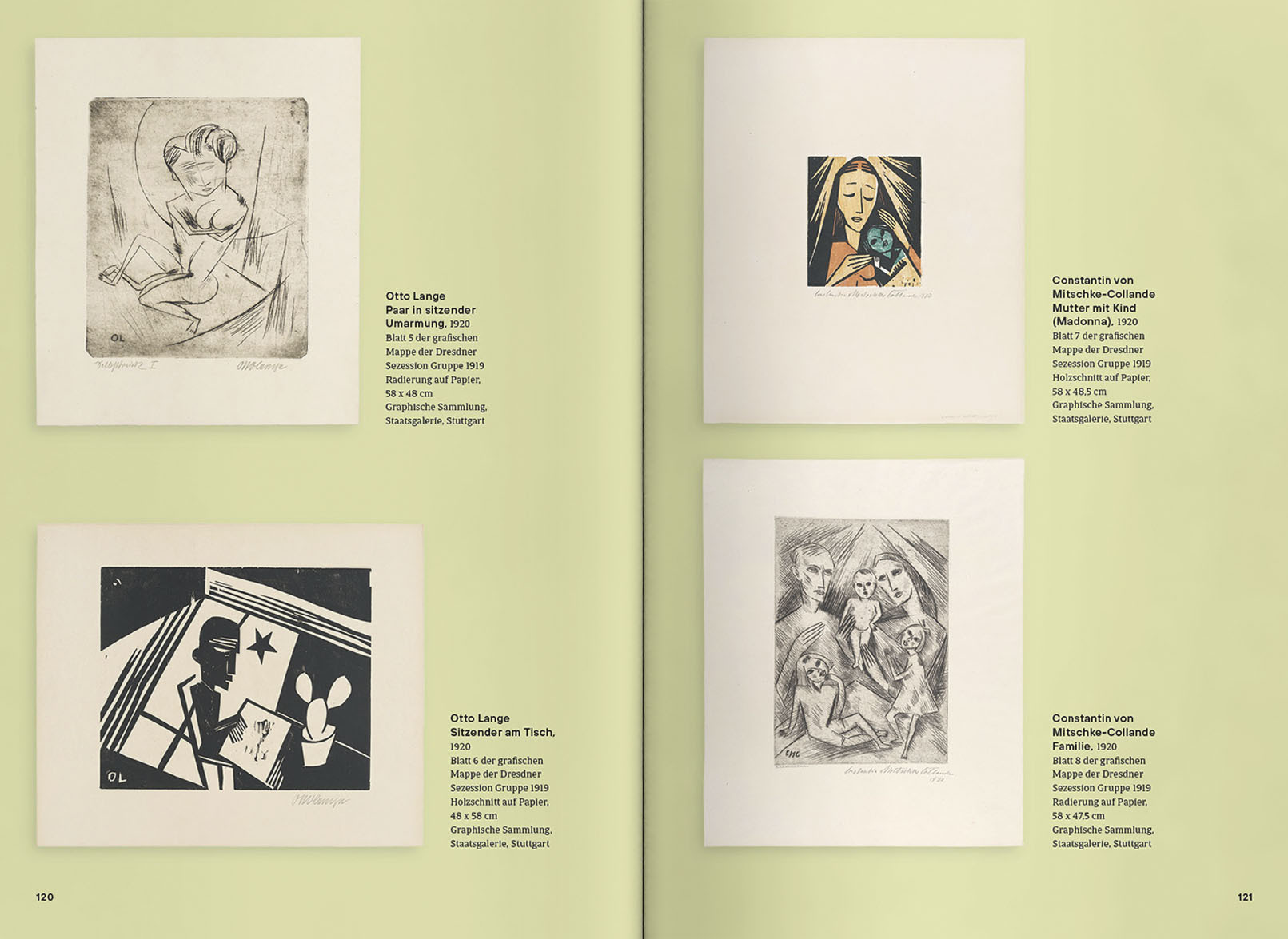
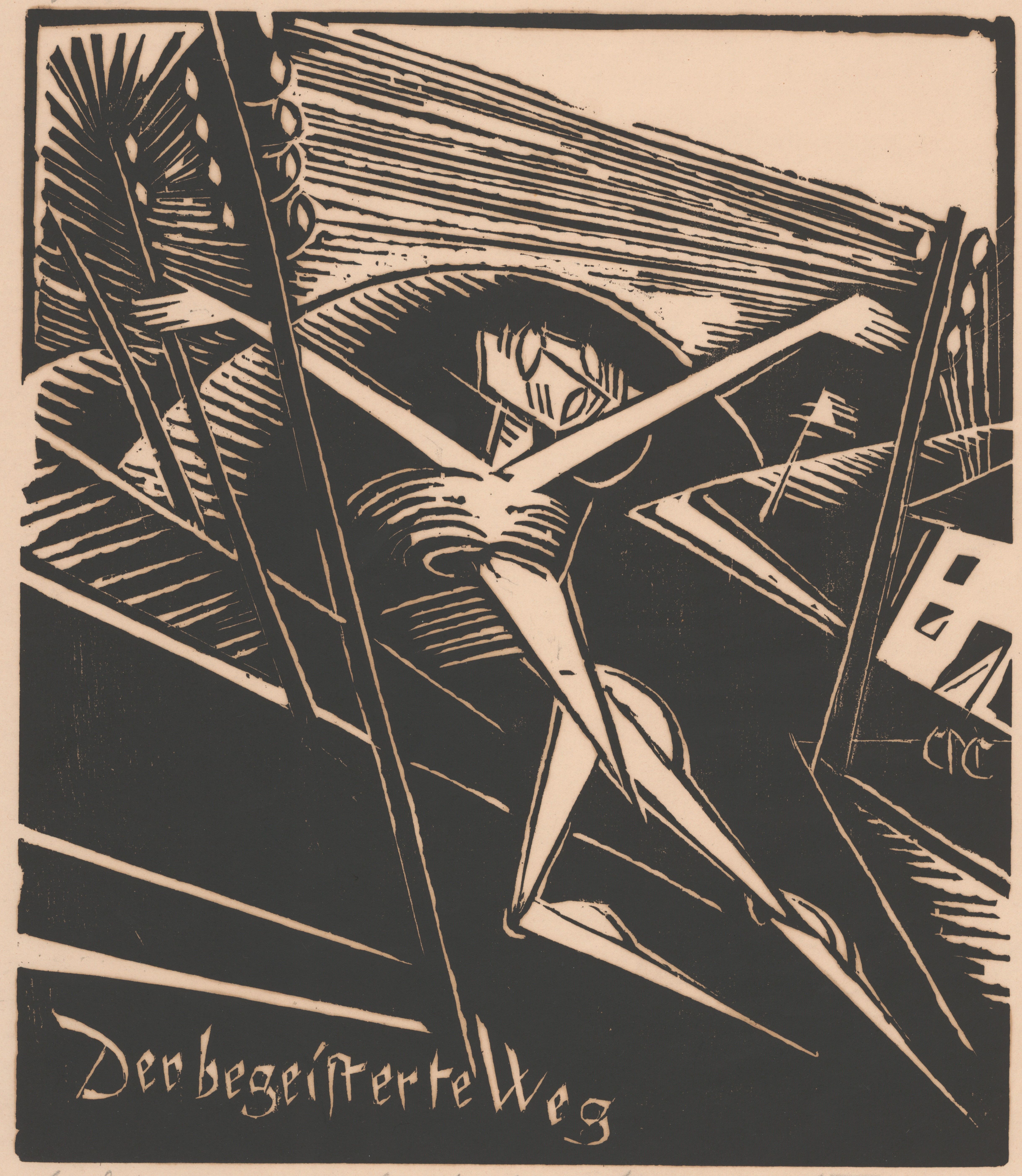
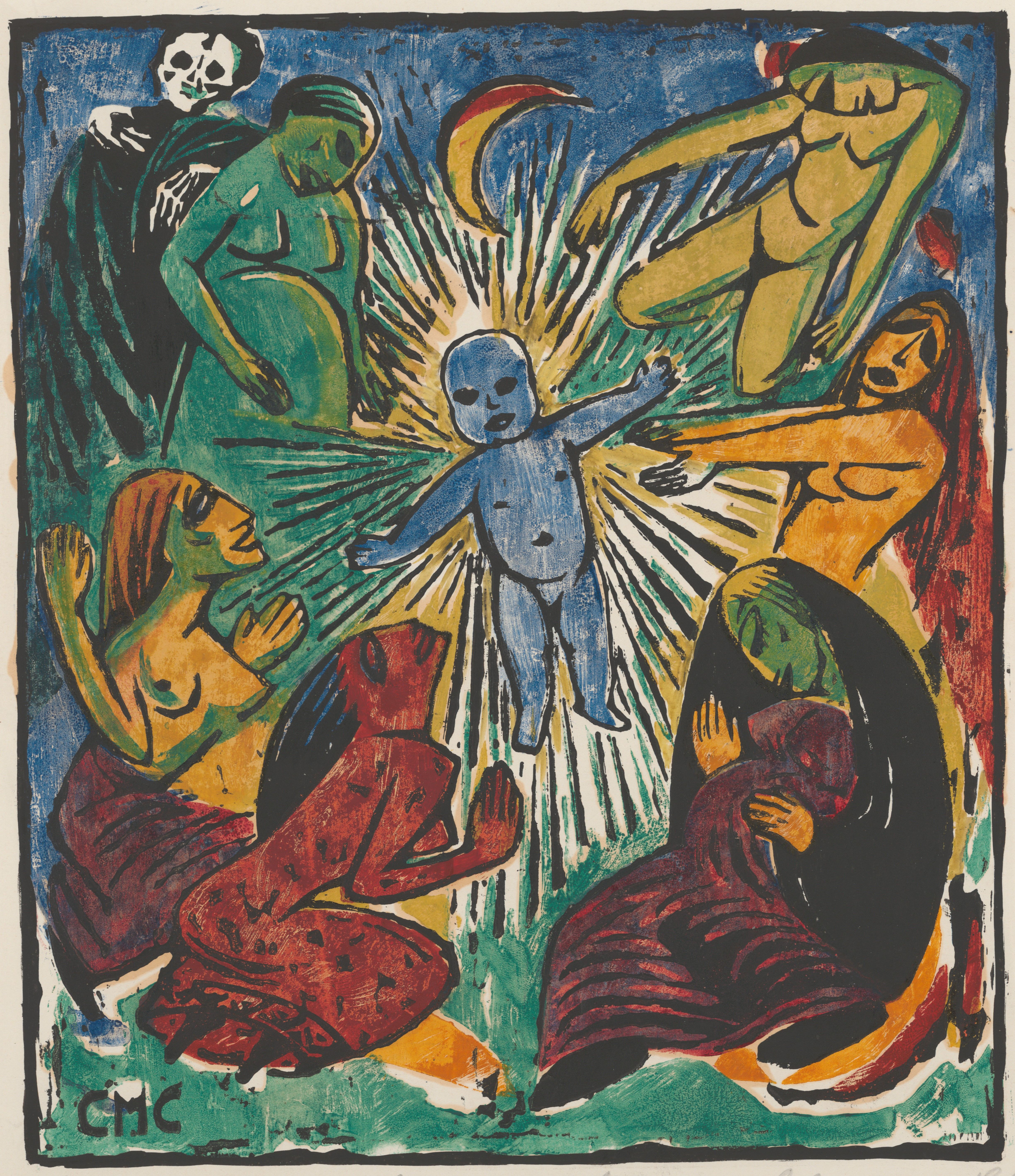
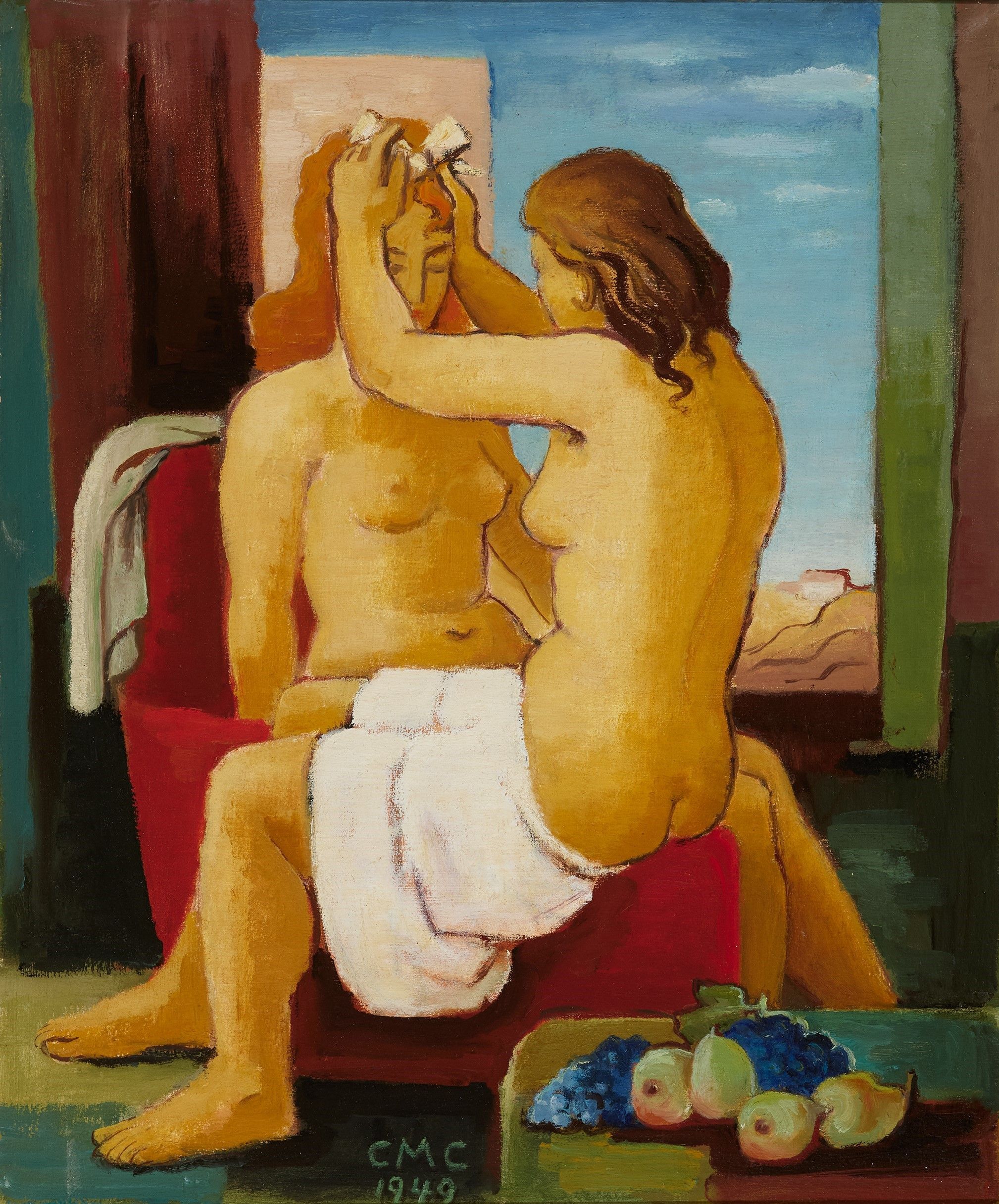
As co-founder of the Dresden Secession Group in 1919, he is considered part of the second generation of Expressionists. Nazi cultural policy and the bombing of Dresden led to profound changes. Mitschke-Collande found a new home in Nuremberg, where he developed bucolic and literary-inspired imagery.
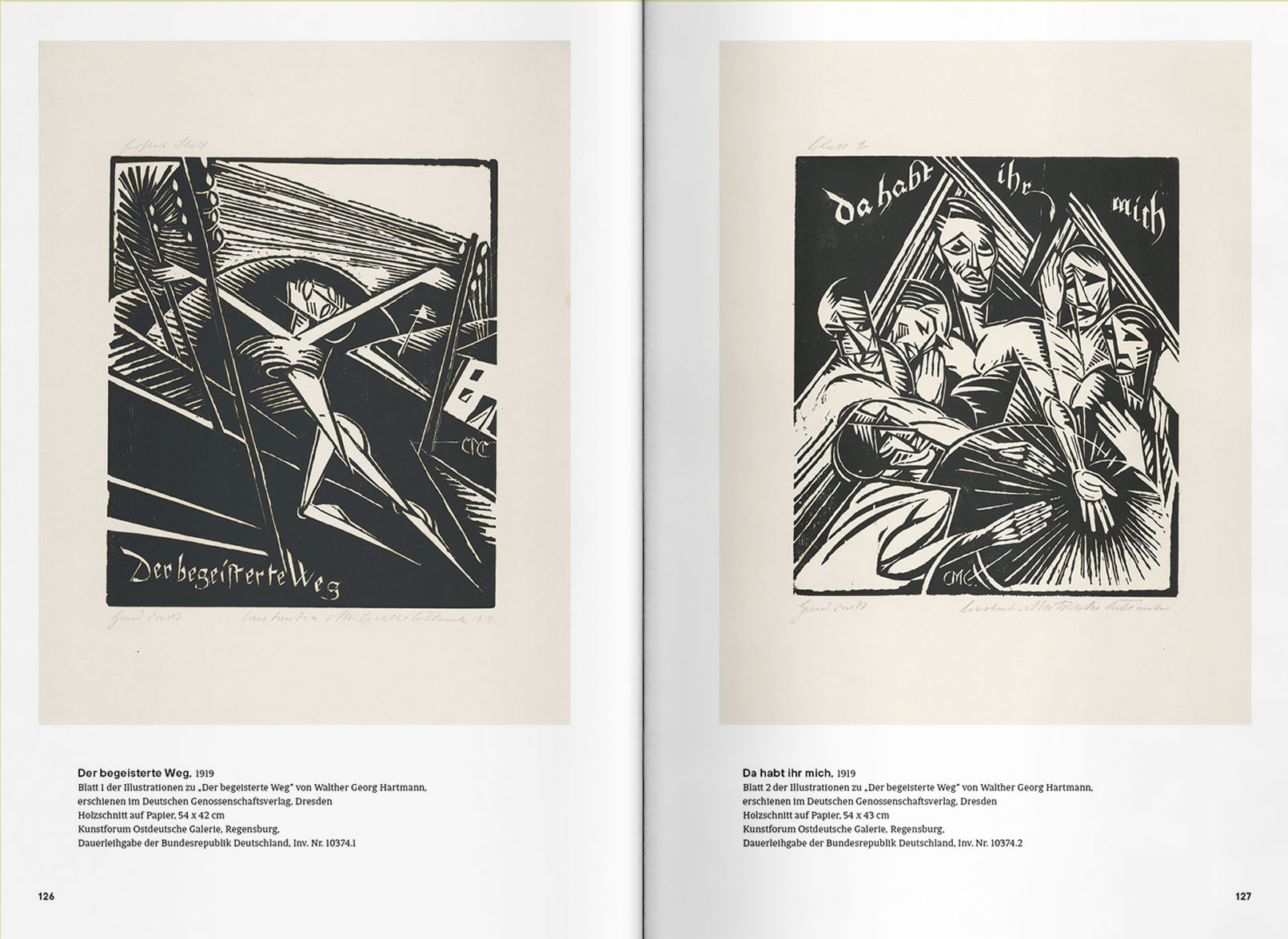
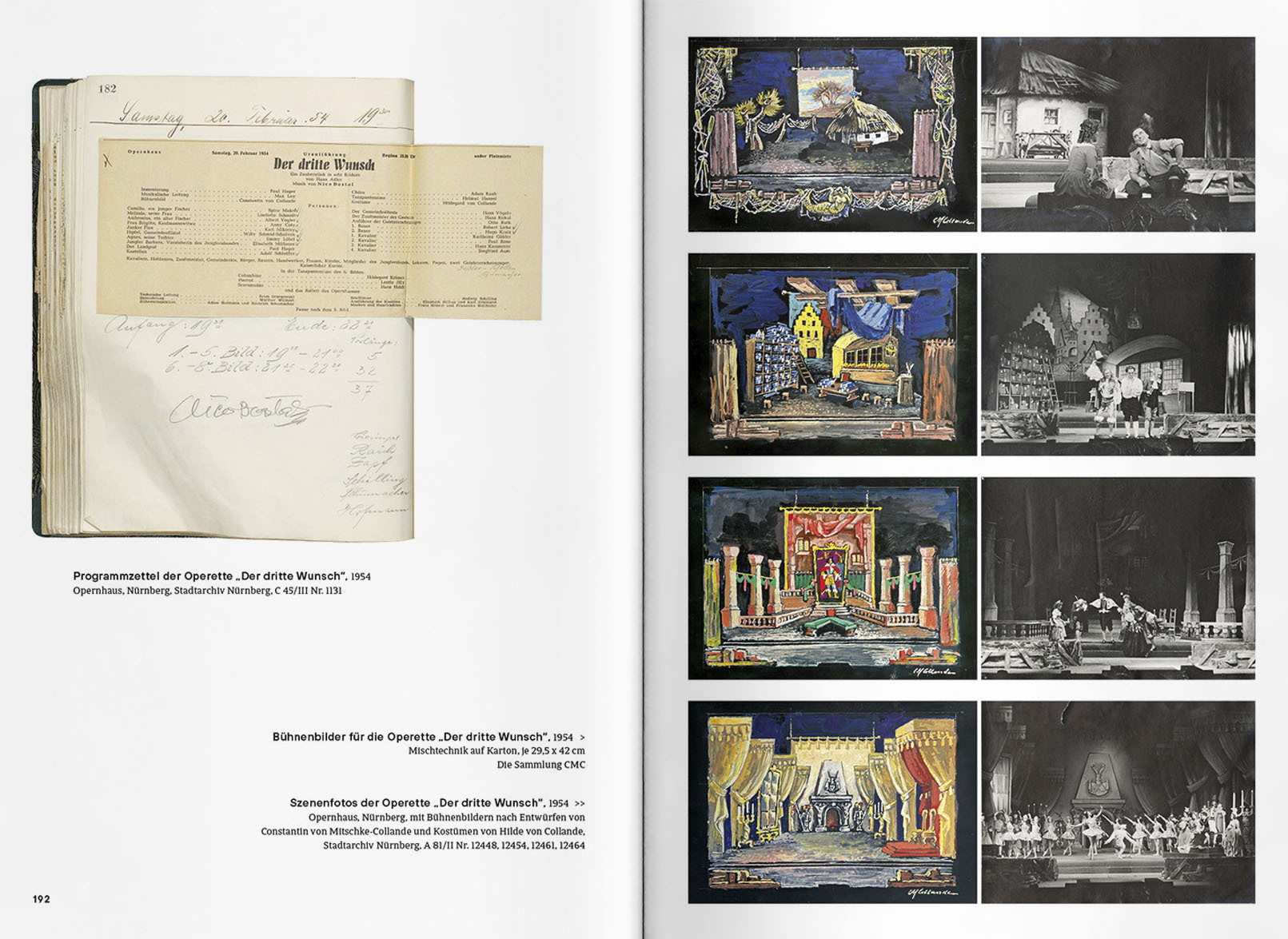
Contributions by Nora von Collande, Andrea Dippel and Alexander Steinmüller trace Mitschke-Collande's life and creative career. For the first time, his complete works are classified according to the stylistic and cultural developments of the 20th century, showing how Mitschke-Collande asserted his own path between avant-garde, conformity and new beginnings. An extensive picture section provides insight into an artist whose work formulates responses to his time.
Editor
Andrea Dippel
Texts
Nora von Collande, Andrea Dippel, Alexander Steinmüller
Design
Grafikbüro Weinberg
Language
German
Details
Softcover, 24 x 16,5, 216 pages, 159 ills. in color, 47 ills. in b&w
Publication date
02/2026
Special book features
Facsimile of original archival materials and the first complete publication of the Dresden Secession Group 1919 graphic portfolio
ISBN
978-3-99153-236-1
GTIN
9783991532361
YOU MIGHT ALSO LIKE
HOME